One team that actually understands what Wisconsin weather does to houses. 5+ years handling everything from ice dam damage in January to hail-damaged roofs in July.
Your house takes a beating here.
January ice dams rip off gutters. July hail storms punch holes in siding. Your basement's always a little damp no matter what you do. And if you've got an older house? Good luck finding a contractor who knows how to work with plaster walls and knob-and-tube wiring without freaking out.
We've been doing this in Wisconsin for over a decade. Milwaukee County, Waukesha County, Racine County—we've seen what this climate does to houses, and we know how to fix it so it actually lasts.
Not just "patch it until next winter" fixes. Actual solutions that account for freeze-thaw cycles, driven rain, humidity in summer, and the fact that your house is gonna see -15°F in February and 95°F in August.
Bottom line: we don't build for "average weather." We build for Wisconsin.
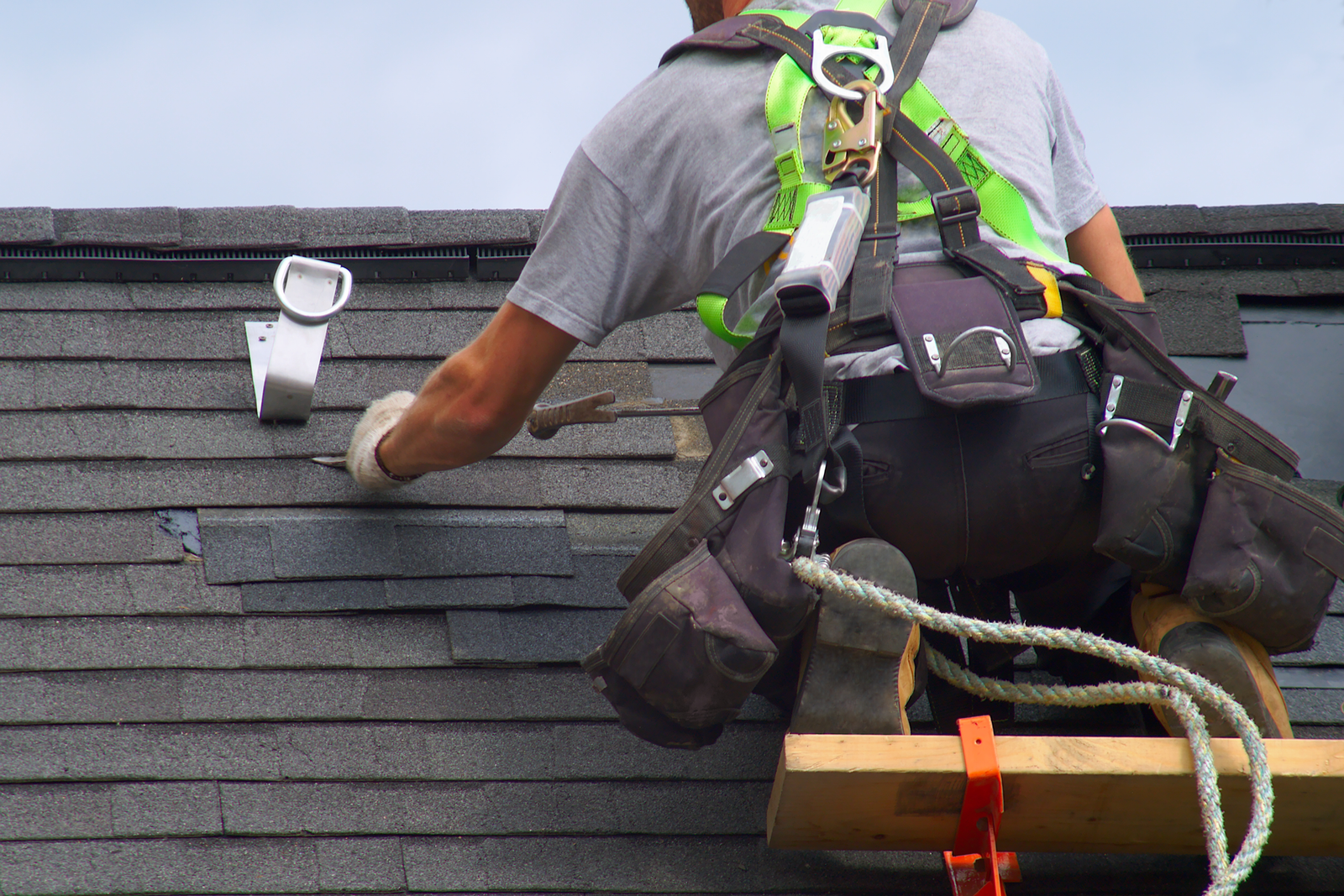
Every winter, same thing. Snow piles up on your roof, melts from heat escaping your attic, refreezes at the eaves, water backs up under your shingles, you've got leaks dripping into your living room.
Here's what actually fixes it:
We've done hundreds of these in Wisconsin. It's not rocket science, but you'd be surprised how many contractors don't bother with the ventilation part and just slap on new shingles.
Hail season hits May through August. One storm and you've got:
If you've got storm damage: Call your insurance company, then call us. We'll meet the adjuster, document everything properly, make sure you're not getting lowballed on the estimate. We do this every week during storm season—we know exactly what photos they need, what wording gets claims approved.
Don't wait three months to file. Adjusters can tell when damage is fresh versus old, and insurance companies will use that against you.
Wisconsin water tables are high. Clay soil doesn't drain. Your basement is always gonna be fighting moisture.
If we're doing work that affects your basement (finishing it, adding egress windows, fixing foundation cracks), we're addressing drainage:
Ignoring moisture in a Wisconsin basement is how you get mold, rotted framing, and a $30,000 rebuild instead of a $3,000 fix.
Lot of old houses in Wisconsin. Milwaukee's got neighborhoods full of 1910s–1930s homes. Waukesha's got plenty from the '40s and '50s.
What that means:
We don't run from this stuff. Most of our work is on older homes. We know how to navigate it without blowing your budget on things that don't matter while making sure the important stuff (structural, electrical, safety) is done right.
Southeast Wisconsin is where we operate—basically if you're within an hour of Milwaukee, we're coming out.
And a bunch of smaller towns in between. If you're not sure if we cover your area, just call.
Worst case, we'll tell you who does good work near you.
Call 262-202-2481
Straight answers. No fluff. If something’s weird with your house (it usually is), we’ll tell you what’s going on.
No, just Southeast Wisconsin. We’re based here and that’s where we work—Milwaukee County, Waukesha, Racine, Ozaukee, Washington County, basically the whole Milwaukee metro area.
Madison’s like an hour and a half away. Green Bay’s two and a half hours. That’s just too far for us to drive out there for a bathroom remodel, you know? You need someone local who can get back to you quick if something needs adjusting after we’re done.
But call us anyway if you’re farther out. We know contractors all over the state and we’ll tell you who to call. 262-202-2481
Yeah. We’ve been doing this since like 2012, so we’ve pulled hundreds of permits across all these counties by now.
Wisconsin follows NEC for electrical but then has its own amendments on top of it. Energy code’s different here than Illinois. Frost depth is 48 inches because of how cold it gets. Egress windows for basements have specific sizing requirements or the inspector fails you.
Milwaukee County you can do most permits online now. Waukesha County you usually gotta go in person and talk to someone at the counter. Every county’s a little different but we’ve done enough work in all of them that we just know how it works.
Yeah we do insurance claims constantly. Spring storms come through, our phone blows up with hail damage calls.
You file with your insurance first. They send an adjuster out. We meet the adjuster at your place, walk through all the damage with them, and give them a proper estimate. Insurance companies have their own language and specific things they need to see, so we know how to document it the way they want.
Adjusters will try to lowball the estimate if they can. We’ve seen it hundreds of times. So we make sure everything that needs fixing actually gets included in the claim.
Once it’s approved, we do the work and you just pay your deductible.
Milwaukee’s got so many old houses. Like those neighborhoods near downtown—Bay View, Riverwest, all those areas—houses from 1910, 1920s, some even older.
Soon as you open up walls you’re finding stuff. Plaster instead of drywall. Knob-and-tube wiring everywhere. Old galvanized pipes that look fine on the outside but they’re corroded to hell on the inside. Electrical panels that are 60 amps when modern houses need like 200.
And anything built before 1978, you’re dealing with lead paint and probably asbestos. Gotta handle that properly.
The framing’s different too. Balloon framing—studs run from foundation straight up to the roof in one piece. Solid construction actually, just different than how we build now.
We work on old houses all the time though. You just gotta expect you’re gonna find surprises and budget a little extra for it.
Ice dams are huge here. Happens every winter. Snow sits on your roof, heat from your house gets up into the attic and melts it, water runs down toward the edge, refreezes when it hits the cold overhang, ice builds up, water backs up under your shingles, leaks into your house.
Most people think you just need more insulation. But ventilation’s actually the bigger problem. You pack more insulation in without proper airflow and you’re making it worse.
You gotta air-seal between your living space and attic first. All those little gaps around lights and pipes and where the walls meet the ceiling. Then insulation, but don’t block the soffit vents. Then you need ridge vents so air’s constantly flowing through that attic space keeping it cold.
Ice and water shield along the eaves helps too. And gutters gotta be big enough to handle Wisconsin snowmelt because when it warms up all that snow melts at once.
We’ve done probably 200 ice dam jobs at this point. Sometimes it’s simple, sometimes we’re redoing the whole attic ventilation setup.
Yeah for sure. Water table’s high here, soil doesn’t drain, humidity in summer is crazy. Basements are always fighting moisture.
If we’re finishing your basement we’re doing vapor barriers on the exterior walls. Not just drywall straight on concrete because that molds out in three years guaranteed.
Gotta make sure water’s not getting in either. Grading outside needs to slope away from the house. Downspouts need to dump water way out, not three feet from your foundation. Sump pump if you need it.
And if you’re putting bedrooms down there, code requires egress windows. Big enough for someone to climb out, with a window well outside that meets code. Inspector will fail you without it.
We’ve fixed so many basements that got finished without thinking about moisture. Mold everywhere, framing rotted out, floors buckling. Way better to just do it right the first time.
It depends what you’re doing.
Roofing usually doesn’t need a permit unless you’re changing something structural. Just tearing off old shingles and putting new ones on, no permit.
Siding same thing. No permit unless you’re in a historic district.
Kitchen remodels need permits. Electrical if you’re adding circuits. Plumbing if you’re moving the sink or adding gas. Some counties want a building permit too.
Bathrooms need electrical and plumbing permits.
Basement finishing needs everything. Building permit, electrical, plumbing if you’re adding a bathroom, egress window permit. We do basement permits constantly so we know exactly what’s required.
Anything structural always needs a building permit.
Different counties handle it different. Milwaukee County’s mostly online now. Waukesha County you go in person. We deal with all of it though so you don’t have to.
Here’s some rough numbers for Southeast Wisconsin right now:
Roofing’s usually 8 to 25 grand depending on how big the house is and how steep the roof is and what material you’re using. Average house with decent shingles probably lands around 12 to 15.
Siding for a whole house is like 10 to 35 thousand. Maybe more if it’s a big house. Depends on the material too—vinyl’s cheaper, fiber cement costs more but lasts longer.
Kitchen remodels are all over. Just doing cabinets and counters, maybe 25 to 30. Moving walls and plumbing and getting high-end stuff, could be 60 or 70.
Bathrooms are like 12 to 35 depending if it’s a small half-bath or a full primary bathroom gut job.
Basement finishing with bedrooms and a bathroom and egress windows, you’re probably looking at 30 to 70 for a full buildout.
Once we actually get in there and see what we’re dealing with the numbers can change. You don’t know what’s behind walls until you open them up.
Just call us and we’ll come give you a real estimate instead of these rough ranges. 262-202-2481
We’ve built our reputation the old-fashioned way: one satisfied customer at a time. Curious about who we are and what makes us tick? Drop by our About page to learn more.
How much does a new roof cost in Wisconsin?
“How much for a new roof?” That’s usually the first question folks ask. For most Wisconsin homes, expect between $15,000-$30,000, depending on size and materials. Why so much? Blame our weather. Wisconsin roofs need extra ice-and-water shield along eaves, beefed-up ventilation to prevent ice dams, and materials that won’t buckle under heavy snow. When we come out for your free estimate, we’ll walk through all your options – from good to better to best – with clear pricing for each.
Do you offer free siding estimates in Milwaukee and Waukesha?
You bet we do! Throughout Milwaukee, Waukesha, and everywhere else we work, our siding consultations won’t cost you a penny. One of our experienced estimators (not a slick salesperson) will check out your current siding, measure everything carefully, and talk with you about what might work best for your particular home. We’ll bring actual samples you can see and touch, and leave you with a detailed written estimate. Take your time deciding – we don’t do pressure tactics.
What siding materials hold up best against Wisconsin weather?
After installing siding on hundreds of Wisconsin homes over the years, we’ve learned some hard lessons about what works here. For most folks, we suggest looking at fiber cement, insulated vinyl, or engineered wood. Each has strengths and weaknesses in our climate. Fiber cement laughs at hail but costs more up front. Insulated vinyl gives you great bang for your buck and serious energy savings. Engineered wood offers that classic look many homeowners want without the maintenance headaches of real wood. We’ll explain all this during your consultation, focusing on what makes sense for your house and budget.
How long does a window replacement project take in Southeastern Wisconsin?
Most homes take 1-3 days, depending on how many windows you’re replacing and their complexity. We’re obsessive about watching weather forecasts – no sense installing windows during a downpour! Before we start, we’ll cover your furniture and flooring to protect everything inside. When we’re done, we clean up so thoroughly you might not even realize we were there except for those beautiful new windows. Many folks tell us they wished they’d done it years earlier.
Are your exterior remodeling services backed by warranty protection?
Absolutely! Everything we install comes with solid warranty coverage. That includes both our labor warranty (because installation matters as much as materials) and all manufacturer guarantees on products. Too many Wisconsin contractors disappear when problems pop up. Not us – we’ve been here nearly 20 years and plan to stay. If something’s not right, we’ll fix it. Your home is too important for anything less.

Complete the 3 simple steps below to receive an instant estimate for your window replacement project. Our calculator provides estimates ,these prices are not 100 % accurate and please verify with us or other local contractors, this is to give you an idea and window on costs , based on current 2025 material costs and labor rates.
For most homes, we can install 5-8 windows per day with our crew. So figure a day or two for an average job. Each window takes about 45 minutes to install properly. Weather can slow things down, but we've got temporary covers to work around all but the worst downpours. If you're replacing all the windows in your house, we'll typically need 2-3 days total, depending on how many you have.
Short answer: yes, especially if your current windows are old or single-pane. Most homeowners see somewhere between 15-25% savings on their heating and cooling after installing good quality, properly sealed windows. The actual amount varies based on your current windows, your local climate, and which replacement windows you choose. Just make sure they're properly installed - even the best windows won't save energy if they're put in wrong.
Full-frame means we tear everything out down to the rough opening - old window, frame, trim, everything. It costs more but lets us address any hidden damage. Pocket installation (sometimes called insert or retrofit) keeps your existing frame and just swaps out the window itself. It's faster and cheaper but only works if your current frames are in good shape. For older homes, I usually recommend full-frame to avoid surprises down the road.
Complete the 3 simple steps below to receive an instant estimate for your window replacement project. Estimates are based on 2025 material costs and labor rates. Final pricing may vary.
[INSERT_ELEMENTOR id="2969"]
This will close in 0 seconds
Ready for Your Free Estimate?
Roofing · Siding · Windows · Remodeling · Southeast Wisconsin