An overlay saves real money on qualifying roofs. We'll tell you directly whether yours qualifies — or whether a full tear-off is the better long-term decision.
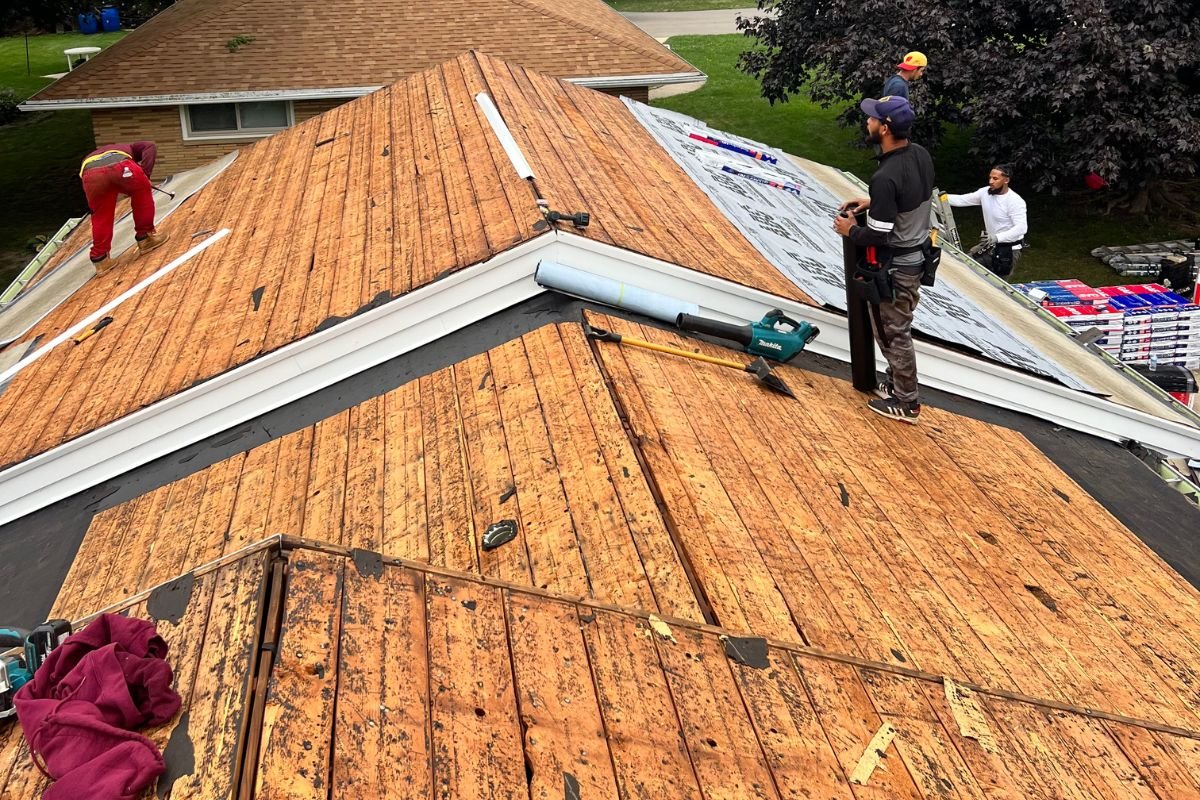
Reroofing — sometimes called an overlay or layover — means installing new shingles directly on top of the existing shingle layer without removing it. The old shingles stay in place. New shingles go over them. No tear-off labor, no disposal cost, less time on the job.
Done on a qualifying roof, it's a sound installation that performs well for the life of the new shingles. Done on a roof that doesn't qualify — compromised deck below, too many existing layers, ice dam history, shingles that won't lay flat — it traps existing problems and accelerates the timeline to failure.
The distinction matters because the upfront cost savings of an overlay disappear quickly if the wrong decision is made at the assessment stage. That's why the assessment comes first, and why we tell homeowners directly what we find — including when overlay isn't the right call.
On a qualifying roof, overlay installation saves a homeowner 20 to 35 percent compared to full tear-off replacement. Those savings come from three places: no tear-off labor, no material disposal cost, and reduced installation time. For a 2,000 square foot roof, that difference can be $3,000 to $6,000.
The savings are real. They're also contingent on four conditions being met — all four, simultaneously. If any one of them isn't met, the math changes because the long-term cost of a wrong decision exceeds whatever was saved upfront.
Savings come from eliminated tear-off labor, disposal, and reduced installation time — all real, all contingent on eligibility.
All four conditions must be met simultaneously. If any one of them isn't met, overlay is not the right recommendation — regardless of how good everything else looks.
Wisconsin municipalities generally limit residential roofs to two total shingle layers. Many Milwaukee-area homes built or reroofed in the 1980s and early 1990s already have two layers in place. We confirm layer count during the estimate walkthrough. If two layers are already there, overlay isn't an option regardless of how good everything else looks. The existing layers must come off before anything new goes on.
The deck — the structural sheathing beneath the shingles — is what everything depends on. Soft spots, areas of moisture saturation, sheathing that moves underfoot during inspection: these are disqualifying conditions that no amount of new shingles will fix. We probe for soft spots and check for moisture indicators at the eaves and valleys — the two areas where water-damaged decking appears first.
New shingles installed over curling, buckling, or raised-tab existing shingles will telegraph the underlying irregularity through to the surface. We also assess nailability — whether fasteners driven through the new shingle layer will penetrate cleanly through the existing shingles into the deck at the required depth. CertainTeed's overlay specification requires full fastener penetration into solid decking. If the existing layer is too thick, too soft from weathering, or irregularly laid, nailability becomes a compliance issue.
Before quoting any overlay project, we verify that the property's municipality permits a second shingle layer and that the structural loading of the combined system falls within acceptable limits. Most Wisconsin residential structures are built to handle snow loads that exceed the weight of two shingle layers, but on older construction or buildings with any history of structural concern, this gets confirmed rather than assumed.
This is the section most roofing contractors skip. We don't. Knowing when not to do a job is as important as knowing how to do it — and it's information that serves the homeowner, not the contractor.
Three shingle layers add weight that residential decking systems weren't designed to carry through repeated Wisconsin snow load cycles. Generations will not install a third layer regardless of local code in any given municipality — it creates warranty and liability issues no serious contractor accepts.
New shingles installed over bad decking don't fix the decking — they cover it and make it harder to access. The moisture continues to migrate, the rot continues to spread, and within a few years the overlaid shingles develop the same surface symptoms the old ones had. At that point, the homeowner pays for a full tear-off anyway, plus the cost of the overlay that bought a short reprieve.
Multiple shingle layers increase ice dam risk. Each shingle layer adds thermal mass and reduces the deck's ability to exchange heat with the ventilated attic space above. More thermal mass at the eave line means ice dams form more readily and back up further when temperatures cycle around freezing — exactly what Milwaukee winters do, repeatedly, from December through March. When a homeowner has had interior water intrusion from ice backup, an overlay can make it worse. A full tear-off with improved ice and water shield at the eaves is the correct repair.
When a second shingle layer is added without addressing ventilation, the thermal barrier between the attic and the roof surface thickens. In summer, this raises deck temperatures; in winter, it increases ice dam risk. If a home already has marginal ventilation, an overlay makes it worse. We assess ventilation as part of every estimate walkthrough — not to upsell, but because it's a direct factor in whether overlay is the right choice.
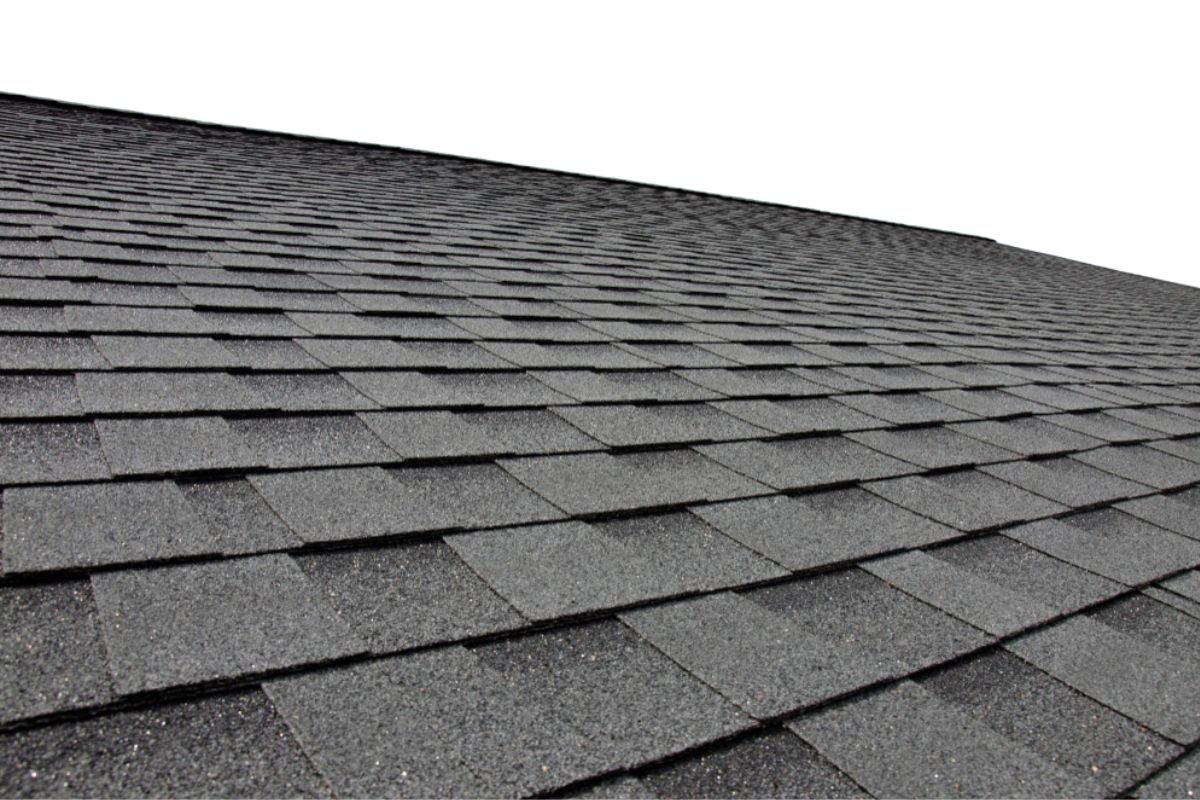
If your roof doesn't qualify for overlay, we'll say so clearly and explain why. The alternative — a full roof replacement — gives us access to address everything underneath. That's the right answer for the right situation.
Overlay installation follows a specific sequence. Each step matters — and the steps that come before shingles go on are as important as the shingles themselves.
We walk the existing surface and confirm all four eligibility criteria are met. Any raised nails in the existing shingle layer are driven flush — protruding fasteners create high points under the new shingles and stress concentration points for wind load. Damaged or missing shingles in the existing layer are repaired so the overlay has a consistent substrate beneath it. Drip edge at the eaves and rakes is evaluated; when a second layer of shingles is installed, the drip edge profile must account for the added thickness, which in many cases means new drip edge installed over the existing edge before the new shingles go on.
Overlay installation uses a purpose-designed starter strip applied at the eave edge to ensure the first course of new shingles has proper seal strip engagement. Field shingles are then installed per CertainTeed's overlay specification — which defines fastener placement, exposure, and edge alignment requirements that differ from new-construction installation. We install to spec on every overlay project, which is what makes the manufacturer warranty valid on the finished system.
Ridge cap shingles are installed at the peak, covering the exposed upper edge of the top field course and providing weather protection at the ridge line. After installation, we walk the completed roof, photograph the finished surface, and confirm cleanup of all debris from the property before leaving.
For qualifying overlay projects, Generations installs CertainTeed overlay installation standards and TAMKO shingle systems across a full range of profiles, weights, and color options. Material selection on an overlay project considers factors that don't apply to new-construction installation.
Heavier architectural shingles add load to the combined system that the deck carries year-round and under Wisconsin snow loads. Material selection accounts for what the structural system can handle across four seasons.
The new shingle's profile needs to accommodate the existing shingle's exposure and thickness so the finished surface reads correctly rather than showing the underlying layer's pattern. We discuss profile considerations during the estimate so expectations match the finished product.
Any color in the manufacturer's range works on an overlay. Color selection is straightforward — profile and weight are the two factors that require discussion specific to your existing substrate.
Manufacturer warranties for overlay installation differ from new-construction warranties. CertainTeed's overlay warranty covers the new shingle materials and the installation for the qualified term — but the scope is not identical to the SureStart warranty on a full new installation, and it's tied to compliance with CertainTeed's overlay installation specification.
Our labor warranty covers the installation itself. Both warranties are provided in writing before final payment is collected — not handed over afterward. You know exactly what coverage you have before the job is complete.
This matters because some homeowners approach overlay as a way to address underlying problems. It doesn't work that way. An overlay provides a sound new shingle surface on a roof whose existing components are all in good condition. When those components are sound, overlay is a legitimate option. When they're not, it's a short-term solution to a long-term problem.
Damaged or rotting decking — the substrate remains in place and continues to deteriorate
Ice dam problems rooted in ventilation or insulation deficiency — overlay can worsen them
Missing or deteriorated ice and water shield — that layer lives under the old shingles and stays there
A sagging or deflecting ridge line — structural problems require structural access
Gutters or fascia that need replacement — those components need separate attention regardless
Corroded or failed flashing — flashing problems don't disappear under new shingles, they become harder to access
If your roof needs more than new shingles on top, a full tear-off gives us access to address everything underneath. That's the right answer for the right situation — and it's what we'll recommend if the assessment points that way.
Full roof replacement Milwaukee →Overlay eligibility depends partly on where a roof is in its lifespan. Asphalt shingles approaching 20 to 28 years in Wisconsin's climate are often at or near the end of their functional life — overlay may buy additional time on a sound substrate, or a full replacement may be the better long-term answer. Material type is the first factor.
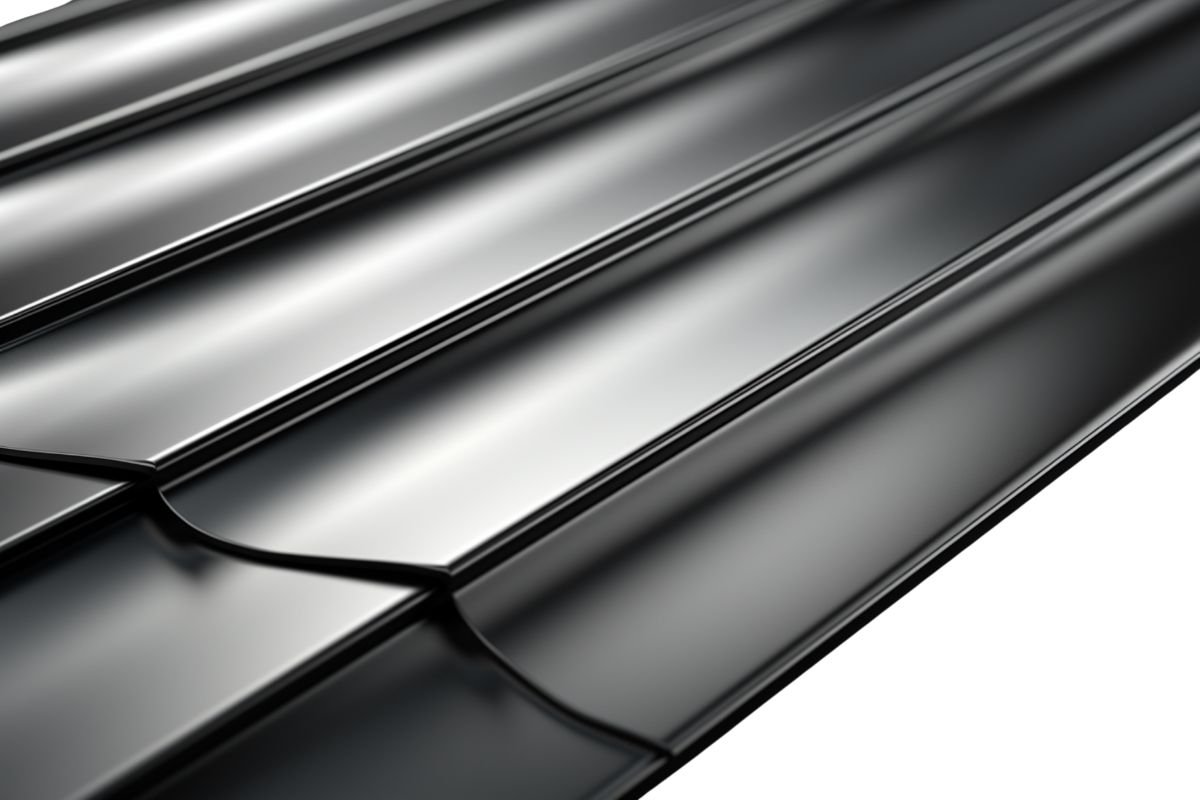
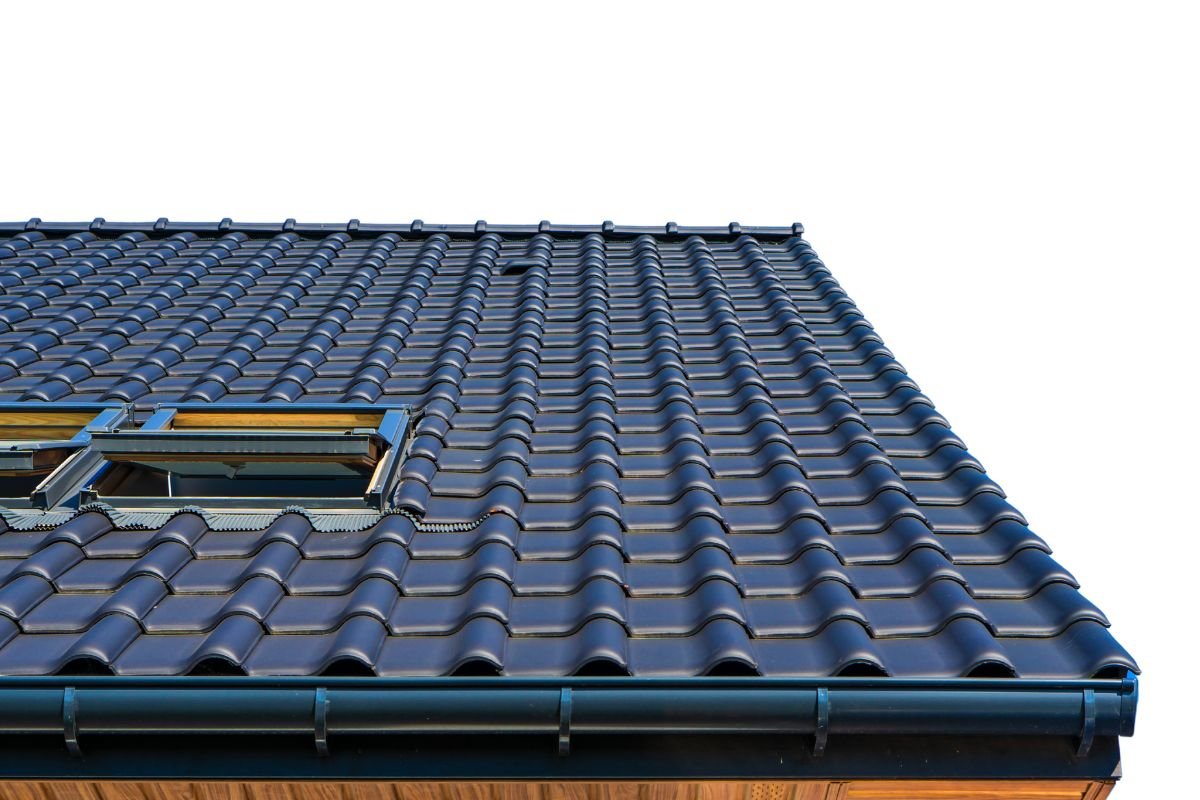
Overlay is specific to asphalt shingle systems. Metal and tile roofs are not overlay candidates — their replacement involves entirely different processes and material systems. If you're asking about a roof that isn't asphalt, the assessment will address replacement options, not overlay.
From Wauwatosa — right between Milwaukee County and Waukesha County. Brookfield, West Allis, Greenfield, New Berlin, and everywhere in between. Alexis Quesada coordinates all assessment scheduling.
Milwaukee & Waukesha County · Alexis responds personally
[INSERT_ELEMENTOR id="2969"]
This will close in 0 seconds
Ready for Your Free Estimate?
Roofing · Siding · Windows · Remodeling · Southeast Wisconsin