Structured maintenance programs with documented inspection reports — for property managers and building owners across the Milwaukee metro and Waukesha County.
Most commercial roof failures don't start as sudden events. They start as a drain blocked by debris in October, a TPO seam that lifts through three freeze-thaw cycles, a modified bitumen flashing lap that separates from a parapet wall over two seasons. By the time water reaches a ceiling tile, the originating failure is typically 12 to 24 months old. CertainTeed certified. Written reports on every visit.
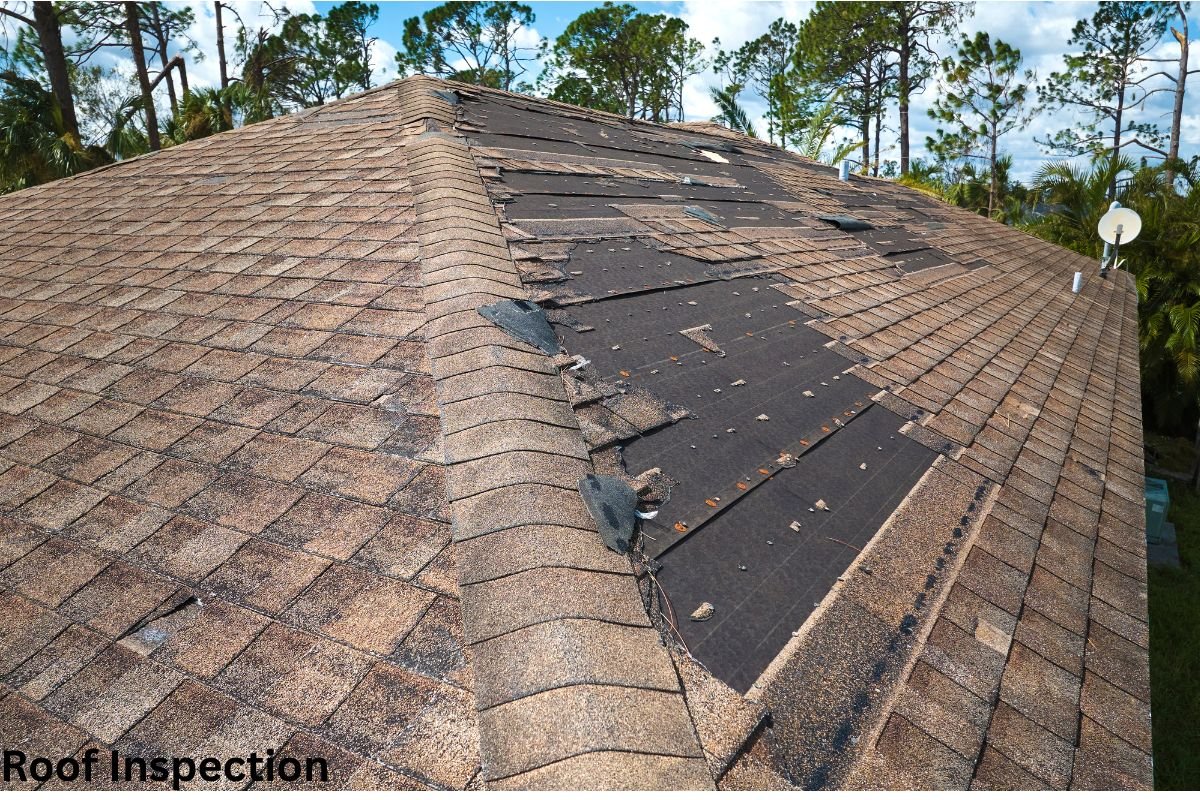
Numbers first, because property managers work with numbers. Commercial flat roof replacement costs between $8 and $25 per square foot installed — driven by membrane system type, building access, substrate remediation, and insulation replacement requirements.
Insurance carriers increasingly require documented maintenance records during claims review. Documentation gaps generate coverage disputes at the worst possible moment — when water has already reached a tenant space and the carrier is looking for a reason to limit the claim.
Flat roofing systems in Wisconsin operate under stress conditions that most of the country doesn't experience. The maintenance cadence that works in a milder climate — one inspection annually — leaves critical vulnerabilities unaddressed here.
Wisconsin temperatures swing 40°F or more in a single day across seasons. EPDM and TPO membranes respond to this cycling at every seam, lap, and flashing termination. Lap adhesive bonds that were only partially engaged at installation begin lifting at their edges — microscopic per cycle, but accumulating over three to five years until a seam gap admits water.
When fall debris blocks interior drains and scuppers, water pools through freeze events. Ice accumulates against parapet walls, expanding and contracting against flashing terminations until they lift from their substrate. This failure sequence is among the most common water intrusion patterns we find on Milwaukee-area commercial buildings — and it's entirely preventable with a fall drain-clearing visit before first freeze.
Modified bitumen cap sheets oxidize under sustained UV load, becoming brittle and developing surface cracking. HVAC equipment running at high summer loads vibrates mounting hardware, progressively loosening curb connections and accelerating sealant separation at penetrations. Equipment-related penetration failures are among the most common repair items we identify during fall inspections.
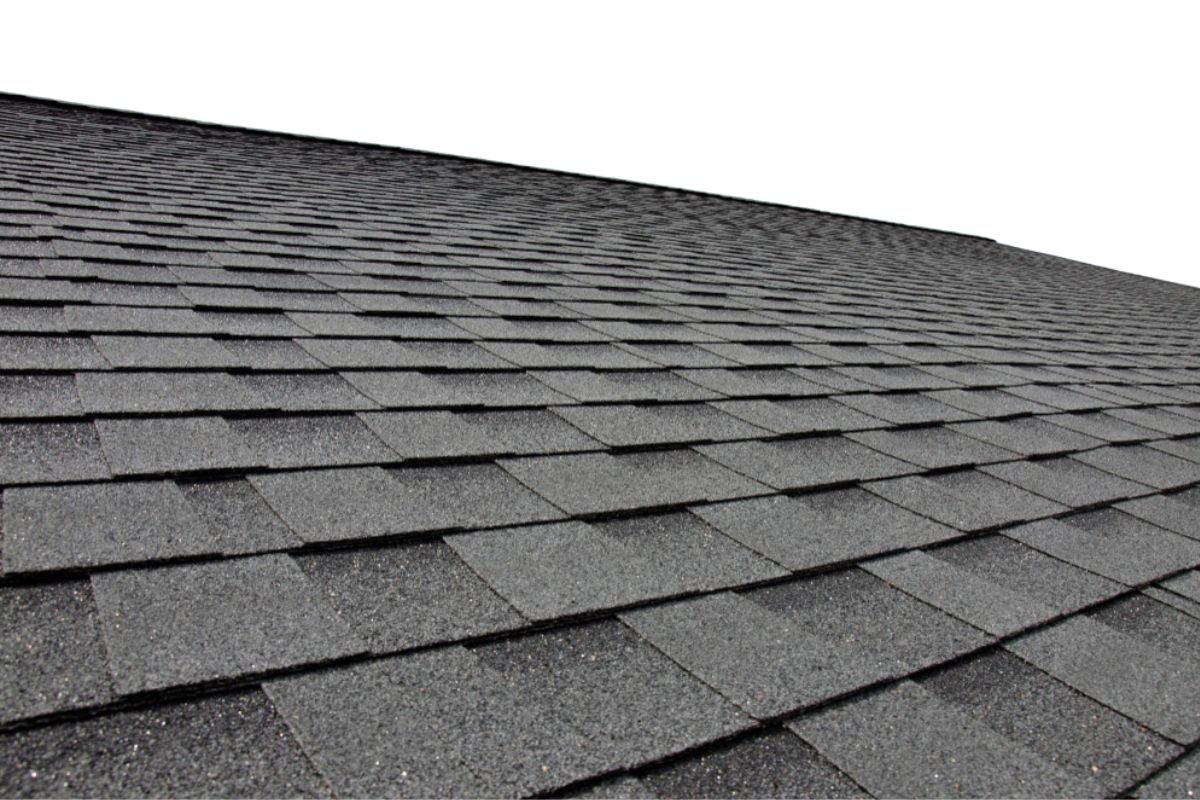
Not all flat roofs are maintained the same way. Each membrane system has distinct failure patterns, and an inspection that covers EPDM failure modes doesn't address what matters most on a TPO or modified bitumen system. Every maintenance visit at Generations is tailored to the specific system installed on the property.
The most common commercial membrane on Milwaukee-area buildings installed before 2010. EPDM seams are bonded with contact adhesive rather than heat-welded — making lap seam adhesion the primary maintenance concern. We probe every lap seam for edge lifting and adhesion breakdown, check all field membrane for blistering and surface cracking, and assess ballast coverage on ballasted systems where shifts expose membrane to direct UV load.
Dominant specification for new commercial construction since approximately 2010. Unlike EPDM, TPO seams are heat-welded — mechanically stronger but vulnerable to weld failure if original installation temperature was outside specification. We probe weld seams for consistency and penetration depth. TPO also develops surface crazing — fine cracks in the upper layer — that signals UV degradation before it reaches the structural ply. Penetration areas around HVAC equipment require close attention due to foot traffic concentration.
Performs well in Wisconsin's cold climate because its polymer-modified composition maintains flexibility at low temperatures. Primary maintenance focus goes to cap sheet surface condition: blistering indicates moisture entrapped between plies, granule loss signals UV degradation of the bitumen matrix, and lap splits at seams indicate thermal movement. Flashings at penetrations and perimeter edges are the highest-risk area — modified bitumen flashings stiffen with age and crack at termination points.
Found primarily on older commercial and industrial buildings across the Milwaukee area. Durable when well-maintained but requires specific attention: surface aggregate coverage must be complete and even, as bare spots expose the flood coat to direct weathering. Gravel stop and edge metal condition at perimeters determines whether the system is managing water correctly at its outer edge. Any areas of surface cracking, exposed ply, or significant aggregate displacement are documented as priority repair items.
Each maintenance visit follows a documented assessment protocol. Every finding is photographed and measured before it's recorded — nothing is marked acceptable without a reason, and nothing is flagged for repair without photographic evidence.
Field membrane assessed across all sections for blistering, cracking, punctures, and UV degradation. EPDM adhesive bonds and TPO heat-weld seams probed for adhesion integrity and edge lifting. All lap terminations photographed and documented. Adhesive resealing or lap repair performed during the visit is recorded with location notes and pre/post photographs.
Interior drains cleared at every location — strainer baskets removed, bowls cleared of sediment. Perimeter scuppers checked for debris and adequate flow path. All areas of persistent ponding — water standing more than 48 hours after rainfall — measured and mapped. Ponding that persists after drain clearing indicates a structural low point requiring separate assessment.
Parapet wall base flashing and counter-flashing terminations inspected for separation, coping movement, and lap failure at corners. Coping cap seams checked for sealant integrity. This is among the highest-risk maintenance area on Milwaukee commercial roofs — the vertical-to-horizontal flashing transition is under constant thermal stress and worsened by ice backup. All resealing at parapet flashings is documented by location with before-and-after photographs.
Every penetration inspected for sealant separation and equipment movement. HVAC units on older curbs are checked for lateral shift — vibration loads move equipment incrementally off their curb centerlines, creating gaps not visible until interior water damage appears. Pipe boots, conduit sleeves, and vent collars inspected for boot cracking and collar separation.
Metal edge and gravel stop systems inspected for fastener pullback, face separation, and water infiltration at laps. Any moisture behind perimeter edge metal is documented — this indicates water has been entering the roof-wall junction, and the underlying condition typically requires repair beyond maintenance scope.
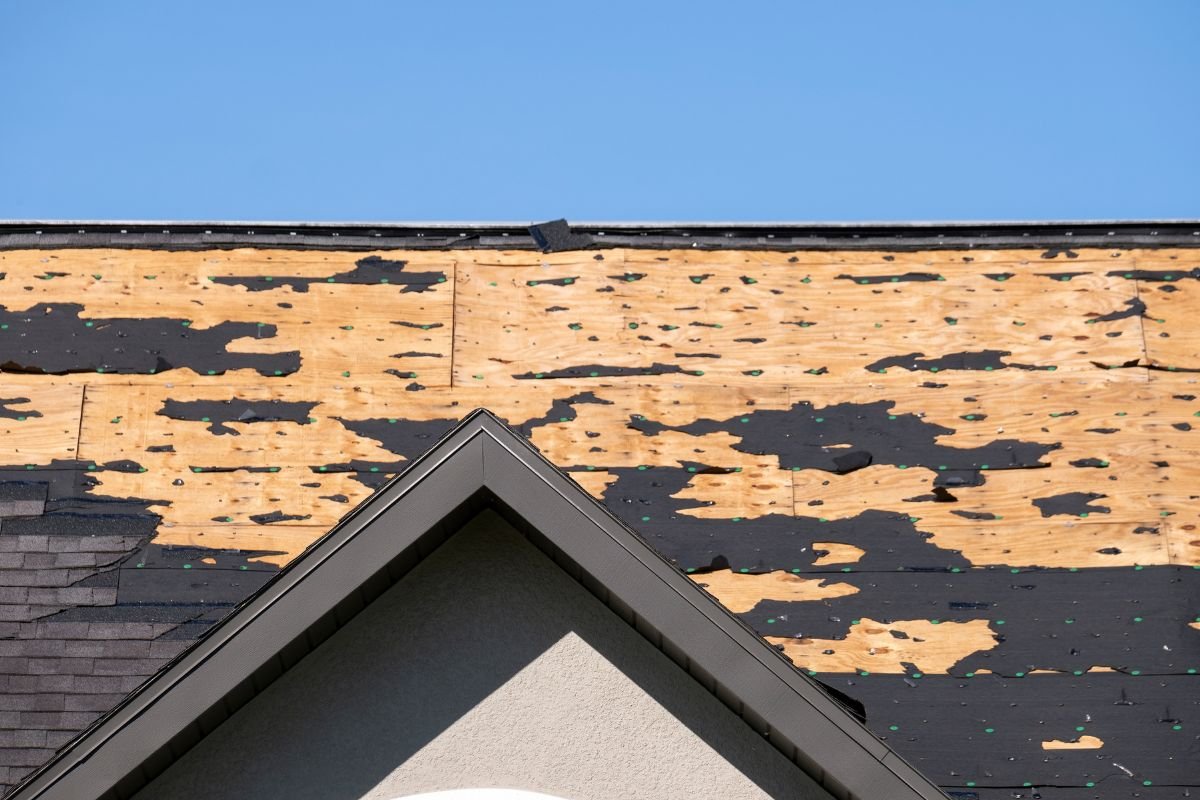
All programs include a written inspection report. Repair items identified during maintenance visits are quoted and scheduled separately — maintenance is diagnostic, not an open repair authorization.
Fall inspection — October or November — targets drain clearing, vulnerability identification, and all resealing needed before freeze season. Spring inspection — March or April — documents winter damage, clears post-winter debris, and establishes repair priorities before summer heat accelerates existing degradation. Standard program for most Milwaukee and Waukesha County commercial properties.
Single fall inspection. Appropriate for roofs under 10 years old with clean maintenance histories, low penetration counts, and documented sound condition from prior inspections. Not recommended for buildings with any history of tenant-space water damage or roofs approaching the 15-year mark.
Appropriate for roofs approaching end of design life, buildings with histories of tenant-space water damage, high-density HVAC penetrations, or properties where a maintenance gap of several years means the baseline condition is unknown. Quarterly visits identify repair needs faster and establish a documented condition history that supports future warranty and insurance situations.
CertainTeed's SureStart PLUS warranty on qualifying flat roof systems requires documented regular maintenance as a condition of continued coverage. A building carrying this warranty without a maintenance record risks denial on premature failure claims at exactly the moment the warranty has value.
Our inspection reports are formatted to meet CertainTeed's documentation requirements. For property managers reporting to building owners, lenders, or insurers, the reports we generate create a dated, professionally formatted maintenance history — ready for filing, insurance renewal review, or lender inspection without additional steps.
Every visit produces a written report delivered digitally after the inspection.
When inspections uncover conditions beyond routine maintenance scope, we provide a separate written repair quote before any additional work proceeds. Using the same contractor for both maintenance and repair eliminates diagnostic redundancy — we have the condition history, the location documentation, and the context of how the failure developed.
Generations maintains commercial roofs for property management companies, independent building owners, industrial facility operators, and commercial landlords across Milwaukee County and Waukesha County. Our Wauwatosa office on North Mayfair Road puts us close to both markets. We work directly with facility managers and can schedule inspections around tenant occupancy and building operations. All commercial maintenance inquiries go to Alexis Quesada.
Free initial property walkthrough. Written program proposal before any commitment. Alexis Quesada handles all commercial maintenance inquiries.
Milwaukee & Waukesha County · Alexis coordinates all scheduling
[INSERT_ELEMENTOR id="2969"]
This will close in 0 seconds
Ready for Your Free Estimate?
Roofing · Siding · Windows · Remodeling · Southeast Wisconsin