Yes, most hail damage can be repaired if caught within 12 months. See repair vs replace costs, insurance steps, and Milwaukee inspection options. Call today.

✓ Free written estimate ✓ No deposit until quote approved ✓ Same-week inspection
Updated June 2026
Updated June 2026
Yes, hail damage can be repaired when impacts are isolated, the decking is sound, and fewer than 25% of any slope is affected. Beyond that threshold, full replacement is usually the right call.
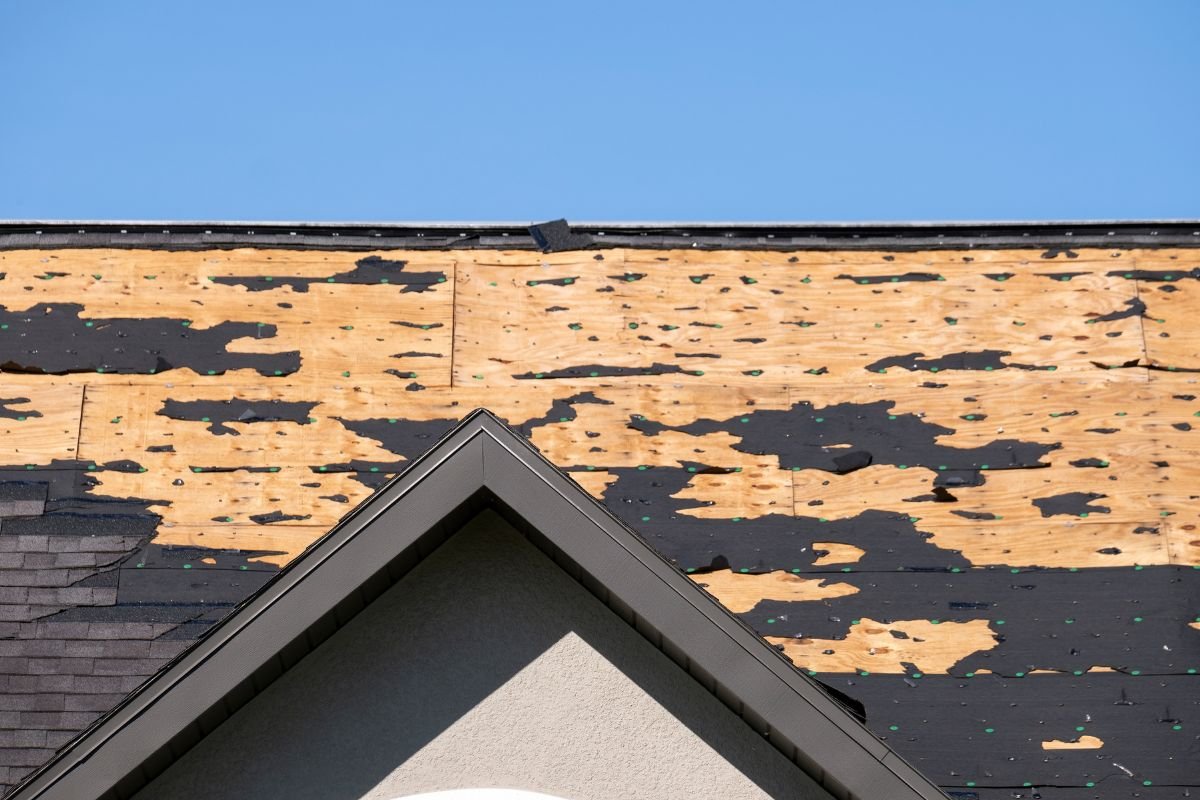
A few scattered dings on a seven-year-old roof are a completely different problem from a widespread bruising pattern across every slope. Knowing which situation you have saves you from overpaying for a replacement you do not need, or under-fixing a roof that will leak before next winter.
Patching works when the damage is limited. Contractors and Wisconsin adjusters typically use a test-square method, counting verified hits inside a 10-by-10-foot section of each slope.
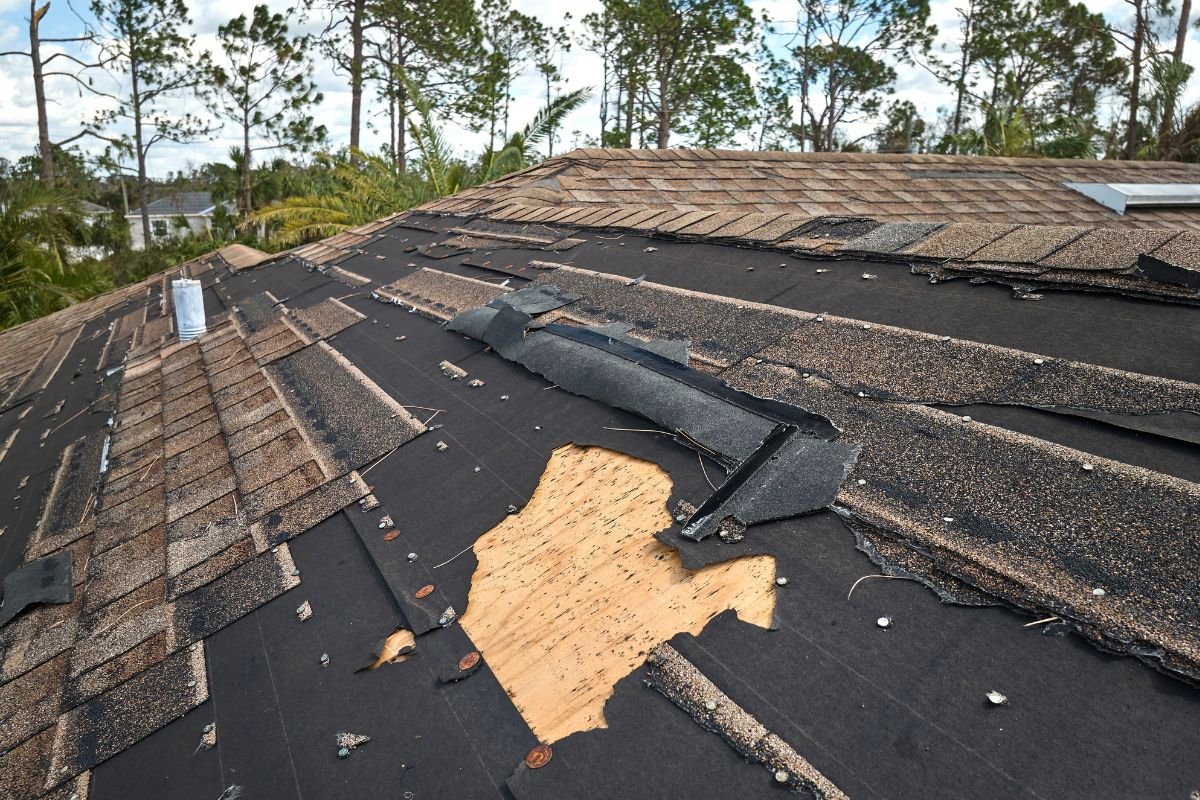
If your roof checks all four boxes, a targeted repair using matching shingles (CertainTeed Landmark, GAF Timberline HDZ, or Owens Corning Duration) can restore watertight performance without a full tear-off.
Some hail damage looks minor on the surface but has already shaved years off your roof's life. Exposed asphalt mat, widespread granule loss, and cracked tabs all signal that patching will only delay the inevitable.
Replace criteria to watch for:
Wisconsin's freeze-thaw cycles make cracked or granule-bare shingles especially dangerous. Water seeps into the fracture in October, freezes in November, and widens the crack all winter. By spring, you have a leak.
📊 Key stat
American Family, State Farm, and Allstate adjusters working Milwaukee and Waukesha County jobs commonly use the 25% threshold per slope to decide between spot repair and full replacement. If one slope clears 25% damaged coverage, that slope typically qualifies for replacement, even if the others are clean.
Ask any contractor you hire to show you the test-square count in writing before you call your carrier.
Hail damage shows as round bruises on asphalt shingles, dents on gutters and vents, granule loss, and cracked tabs.
Hail damage shows as round bruises on asphalt shingles, dents on gutters and vents, granule loss, and cracked tabs. Here is what to check.
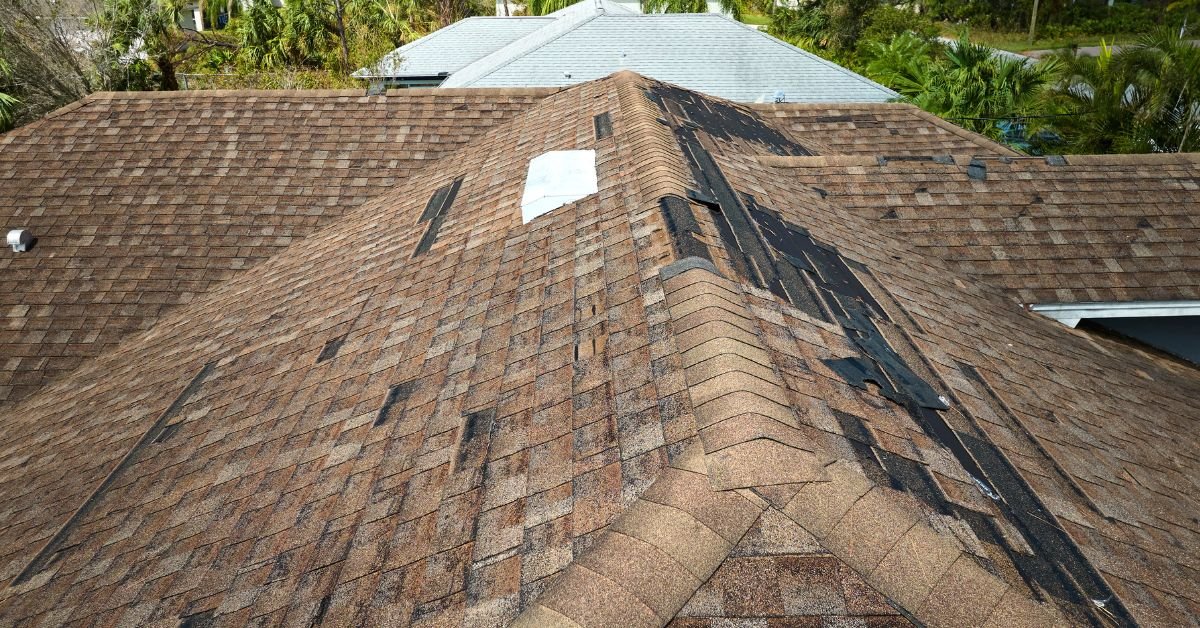
Most homeowners spot hail damage on the ground first. Check your aluminum gutters, downspouts, and AC condenser fins right after a storm. These soft metals dent easily and give you a fast read on how hard your roof was hit, before you ever climb a ladder.
Press your thumb into a suspicious spot. Firm means intact. Soft or spongy means the fiberglass mat underneath is fractured, and that broken mat lets water work through the shingle over time.
📊 Key stat
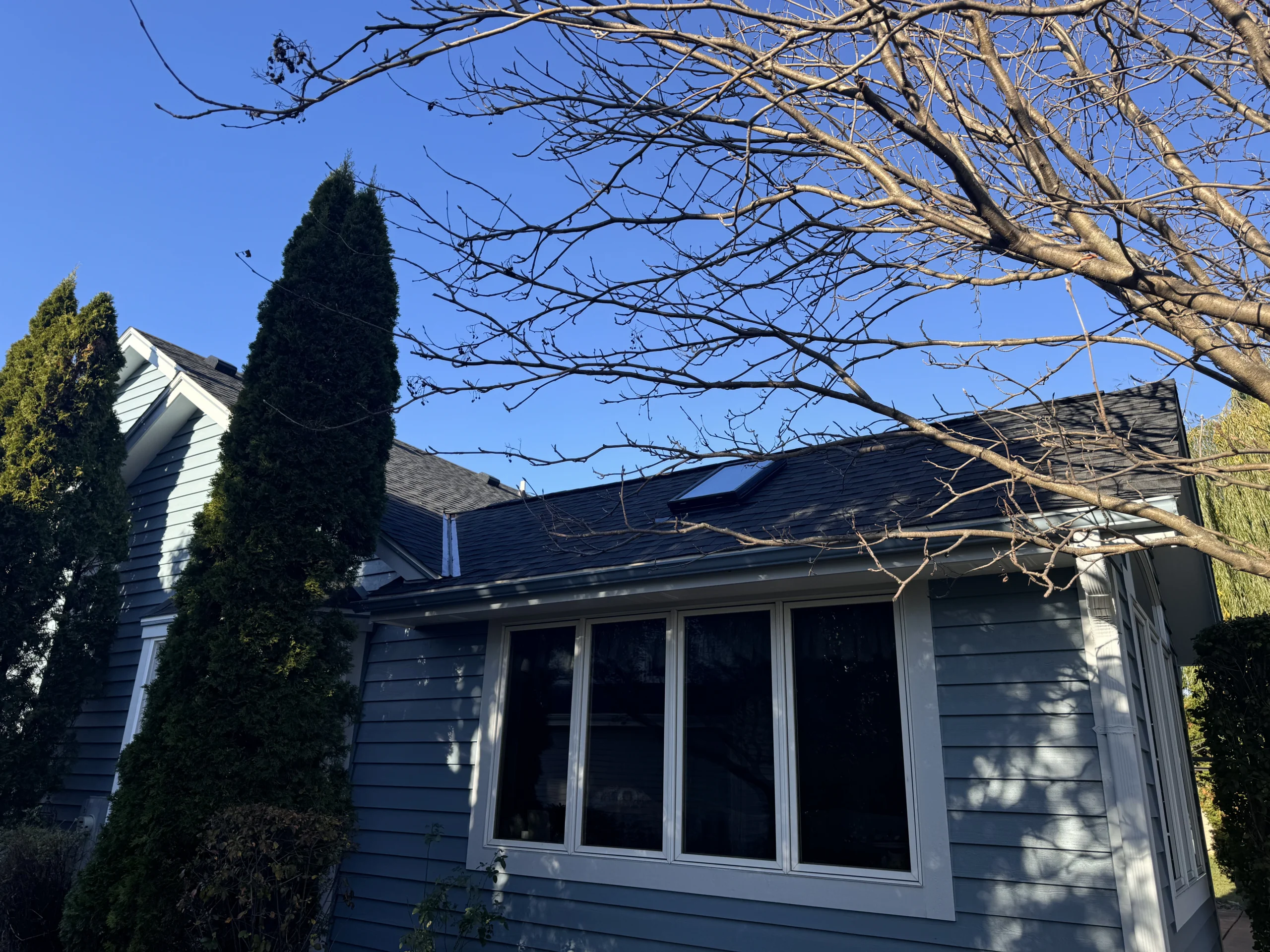
Skylights, pipe boot flashings, and lead vent collars all show dents and cracks before you can read the shingles clearly from the ground. A dimpled skylight frame or visibly dinged vent flashing reliably signals that your field shingles took similar punishment.
Dent size alone does not determine functional damage on metal roofing. Adjusters look for creased panels, damaged seams, and coating failures. Paint coating damage on metal also voids most manufacturer warranties.
✓ Tip
Repair when damage is confined to one slope with fewer than 8 hits per 100 square feet.
Repair when damage is confined to one slope with fewer than 8 hits per 100 square feet. Replace when multiple slopes are hit, the mat is exposed, or the roof is over 15 years old.
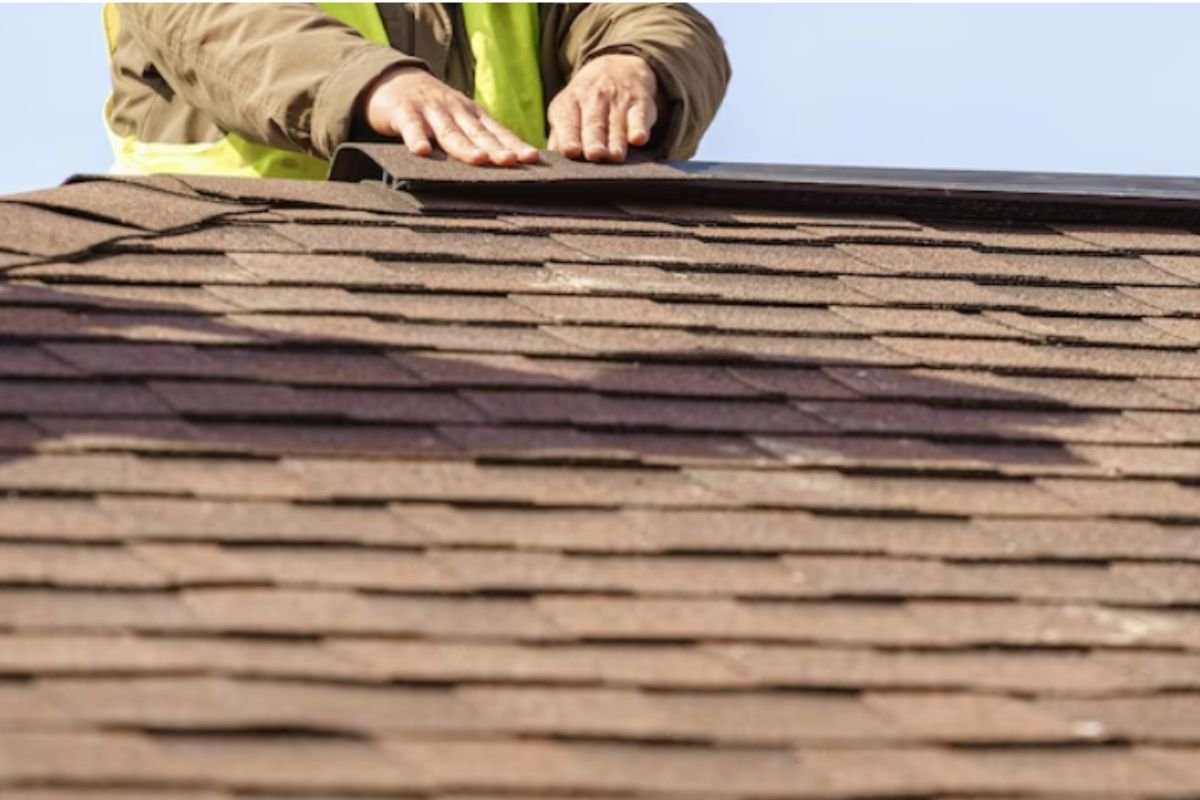
Roof age is the fastest filter. Under 10 years old with localized hits? In most cases, a repair candidate. Between 10 and 15 years, the decision hinges on hit density and material condition. At 15 years or older, most insurance adjusters and Wisconsin contractors recommend full replacement, because the remaining service life does not justify partial work.
Eight or more hits per test square is the threshold most carriers, including State Farm and American Family, use to justify replacement on that slope. Below that number on a single slope, a targeted repair may hold.
The 10-to-15-year age range is where decisions get complicated. A roof in that window with 6 hits per test square on one slope sits in gray territory. The mat may still be structurally sound, but the shingles have already lost a significant portion of their service life.
In that situation, most experienced Wisconsin contractors will walk you through the math on a partial re-roof versus a full replacement, because completing a repair now and a full replacement in three years costs more than doing the full job once. Ask your contractor to put both scenarios in writing so you can compare.
⚠ Warning
Architectural shingles such as CertainTeed Landmark or GAF Timberline HDZ are discontinued or color-shifted within a few production runs. If your roof is more than five years old, finding an exact match is often impossible. A visible color mismatch can complicate your insurance claim and reduce curb appeal.
3-tab shingles are the hardest to match today because most manufacturers have phased them down. Class 4 impact-resistant shingles (rated UL 2218) may qualify you for a discount with carriers like Allstate or Liberty Mutual. A Class 4 upgrade typically adds $800 to $1,500 to a standard replacement job, and the insurance discount can recover that difference within two to three years. See our guide to Class 4 impact-resistant roofing options for a full breakdown.
| Factor | Lean Repair | Lean Replace |
|---|---|---|
| Roof age | Under 10 years | 15 years or older |
| Hit density | Under 8 per test square | 8 or more per test square |
| Slopes affected | One slope only | Two or more slopes |
| Shingle match | Current product, available | Discontinued or color-shifted |
| Mat condition | Granules intact | Fiberglass mat exposed |
Wisconsin SPS 321 governs residential roofing work, and a licensed contractor must restore the full roofing assembly, not just surface shingles, to meet code. A patch that skips underlayment replacement does not satisfy that requirement. Ask your contractor to document underlayment and decking condition in the written scope, not just surface shingles.
In 2026, hail repairs in Milwaukee and Waukesha County run $450 to $1,800 for spot work, $2,500 to $6,000 for a single slope, and $11,500 to $24,000 for a full replacement.
In 2026, hail repairs in Milwaukee and Waukesha County run $450 to $1,800 for spot work, $2,500 to $6,000 for a single slope, and $11,500 to $24,000 for a full replacement.
A 4/12 pitch with 10 damaged shingles on a single slope runs closer to $600. A 9/12 steep-slope job with two affected valleys and a full tear-off reaches the top of that range quickly.
| Repair Scope | Typical 2026 Cost | Notes |
|---|---|---|
| Single shingle swap (1-5 shingles) | $450 – $900 | Includes travel, disposal, color match |
| Multi-shingle patch (6-20 shingles) | $900 – $1,800 | Best when damage is isolated to one area |
| Single slope re-roof | $2,500 – $6,000 | Varies by pitch, access, and linear footage |
| Full asphalt replacement (2,200 sq ft home) | $11,500 – $24,000 | Tear-off, underlayment, ridge cap, and labor included |
| Standing seam metal panel replacement | $1,200 – $2,400 per panel | Labor-intensive; panel matching matters |
| Class 4 (UL 2218) upgrade premium | Add 15-25% to material cost | Earns insurance discounts; extends warranty |
Most homeowners with active policies through carriers like State Farm, American Family, or Allstate pay only their deductible. In 2026, deductibles in this area typically run $1,000 to $2,500, and your insurer covers the remainder when damage meets the claim threshold.
GAF Armorshield IR and CertainTeed NorthGate both carry UL 2218 Class 4 ratings and can reduce your annual premium by 15 to 30 percent depending on your carrier. Learn more in our roofing materials guide for Wisconsin homeowners.
✓ Tip
If your deductible or an uninsured repair strains your budget, GreenSky and Hearth both offer 0-percent promotional periods of 12 to 18 months for qualified applicants. Ask about financing options when you schedule your inspection.
Ready to get your repair scoped? Call (262) 202-2481 for a same-week inspection in Milwaukee or Waukesha County. We use an in-house crew, no subcontractors, on every job.
Document the storm date, photograph all damage, call your insurer within 30 days, and request a joint inspection with your contractor.
Document the storm date, photograph all damage, call your insurer within 30 days, and request a joint inspection with your contractor. Wisconsin policies typically allow 12 months from the storm date to file.
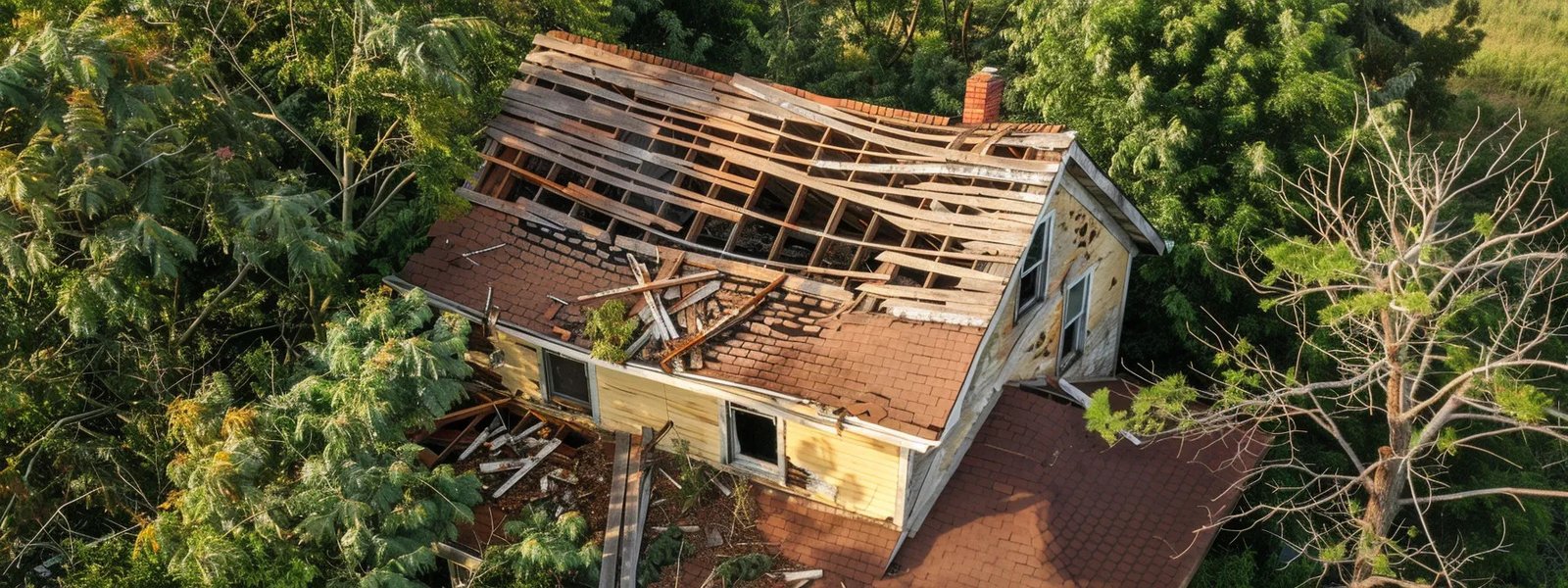
Carriers like American Family, State Farm, Allstate, and Liberty Mutual all send their own adjusters. Adjusters document what they see on the day they visit. A contractor who knows hail damage can flag items an adjuster might not prioritize, which is why a joint inspection matters.
Follow these steps in order:
⚠ Warning
RCV vs. ACV policies matter here. Replacement Cost Value (RCV) pays the full cost to replace your roof. Actual Cash Value (ACV) subtracts depreciation for age and wear. In practice, a 12-year-old roof with a 20-year lifespan may be depreciated 60 percent under ACV, meaning a $15,000 replacement yields a $6,000 payout before your deductible. Ask your agent for the specific depreciation schedule in your policy before you file, so you know what to expect.
Want your contractor on-site with the adjuster? Call us before you file: (262) 202-2481. We offer free hail inspections and can meet your adjuster on-site in Milwaukee or Waukesha County.
Unrepaired hail damage accelerates granule loss, exposes asphalt to UV, lets moisture into the decking, and voids manufacturer warranties.
Unrepaired hail damage accelerates granule loss, exposes asphalt to UV, lets moisture into the decking, and voids manufacturer warranties. Most Wisconsin insurers also deny claims filed past the 12-month window.
Granules shield the asphalt mat from ultraviolet radiation. Once hail knocks them loose, bare asphalt can begin cracking and curling within a single summer. A shingle rated for 25 years can drop to a 10-to-15-year lifespan after one untreated hail event, according to IBHS hail research.
Bruised shingles are already weakened at the impact point. Water seeps into those micro-cracks and freezes, widening each crack further. Milwaukee and Waukesha County homeowners absorb dozens of freeze-thaw cycles between November and March. By the time a leak appears inside, the decking underneath may already be saturated.
Our crews have pulled decking in February showing mold growth from a September storm. Once moisture gets under shingles and into the attic, deterioration moves quickly.
Hidden moisture under shingles also creates conditions for ice dam formation along your eaves. Ice dams trap meltwater, force it back under shingles, and drive it into your attic. Our ice dam and winter roofing guide covers how to protect your home before the first freeze.
⚠ Warning
If a second hail event hits before you file a claim on the first, your carrier can dispute which storm caused which damage. Attribution becomes nearly impossible to prove, and carriers routinely use that ambiguity to reduce or deny payouts. Filing promptly after the first storm eliminates that problem entirely.
If a storm hit more than 30 days ago and you have not had an inspection, call (262) 202-2481 or schedule a free inspection online. The claim window is running.
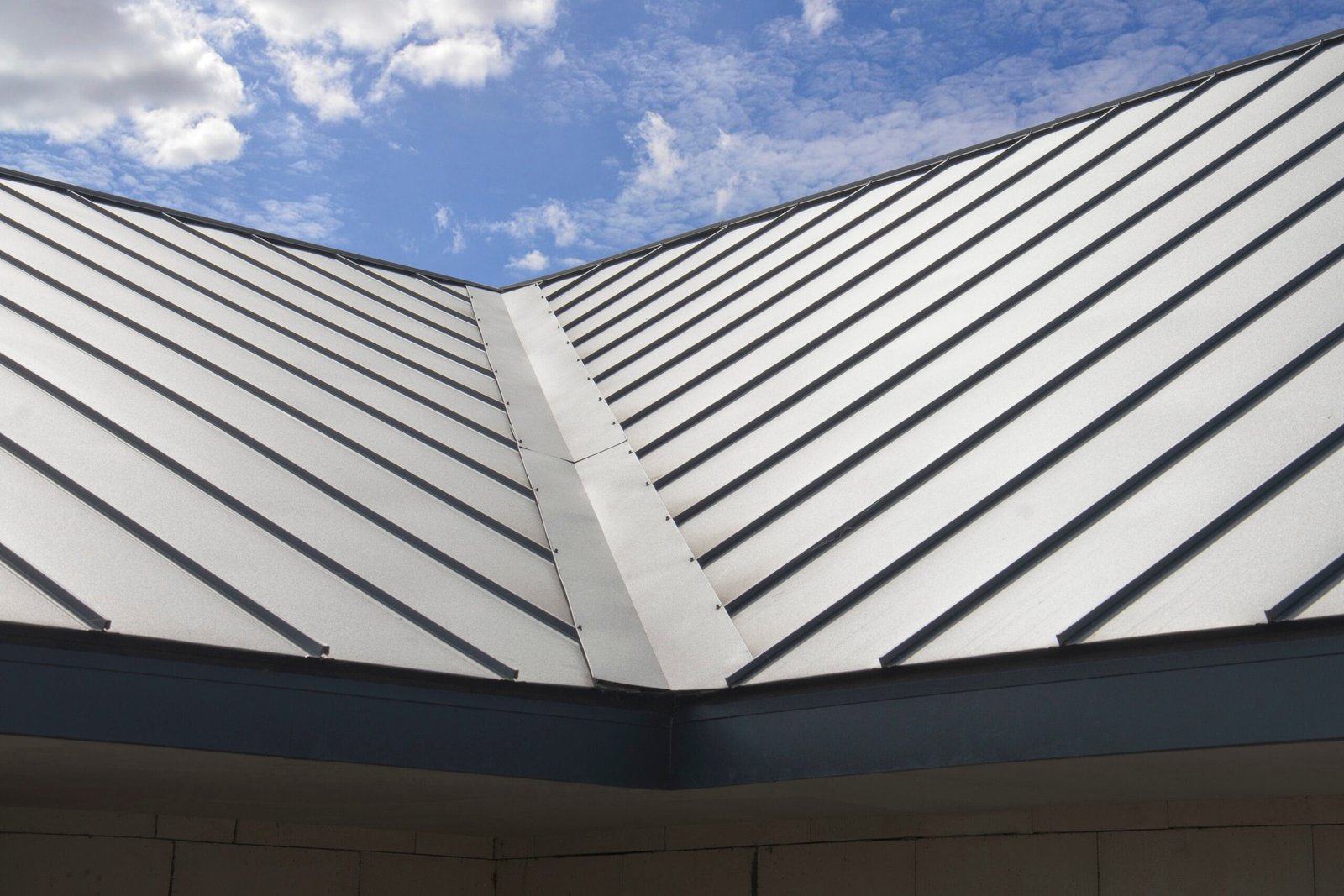
Class 4 impact-resistant shingles, stone-coated steel, and standing seam metal offer the strongest hail protection and qualify for premium discounts from most Wisconsin carriers.
Class 4 impact-resistant shingles, stone-coated steel, and standing seam metal offer the strongest hail protection and qualify for premium discounts from most Wisconsin carriers.
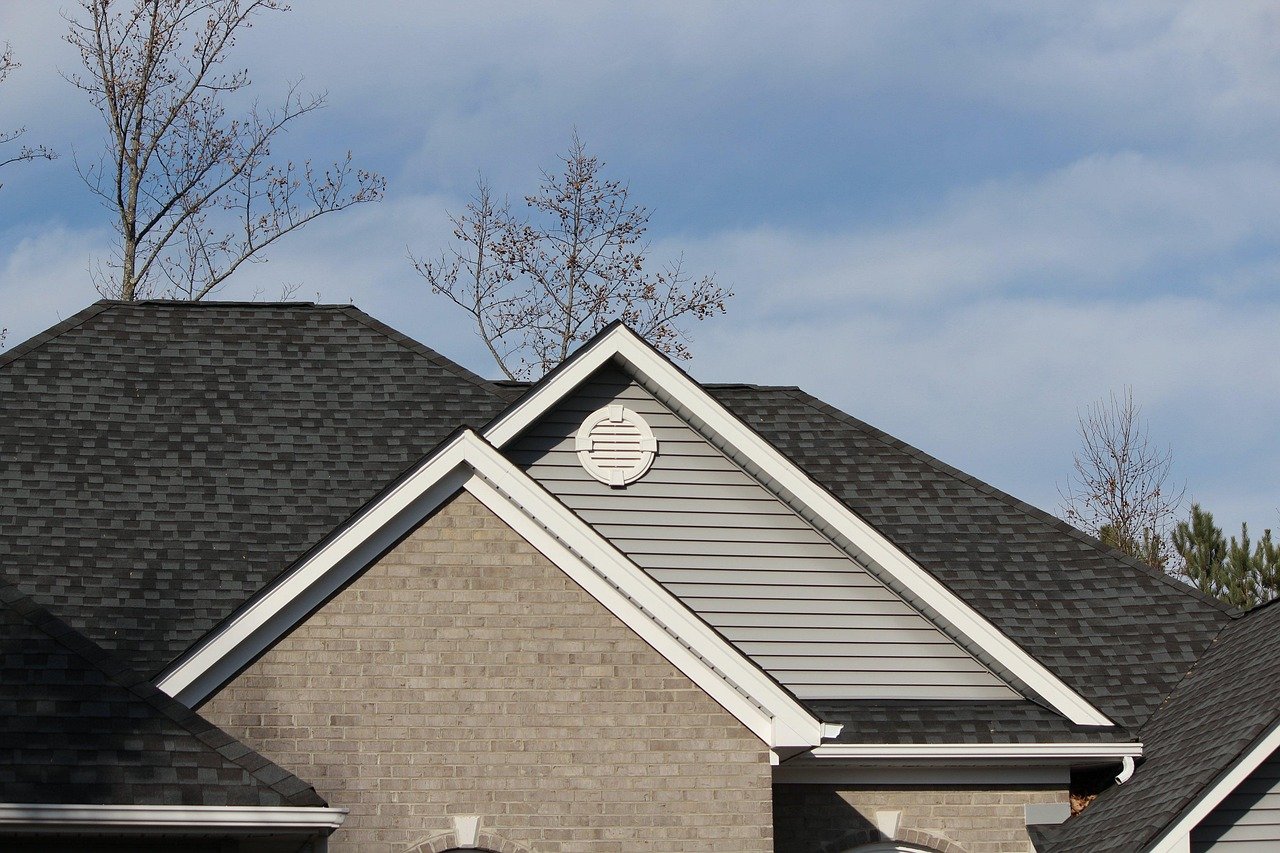
The UL 2218 Class 4 rating is the highest impact-resistance tier available. A Class 4 shingle survives a 2-inch steel ball dropped from 20 feet without cracking. That matters here because southeastern Wisconsin sits squarely in the upper Midwest hail belt, and storms rolling through Milwaukee, Waukesha, and Brookfield regularly drop golf-ball-sized hail.
CertainTeed NorthGate, GAF Armorshield IR, and TAMKO Heritage IR are the asphalt Class 4 shingles we recommend most often for Lake Effect climates. All three carry UL 2218 Class 4 ratings. The reinforced fiberglass mat in each product resists the freeze-thaw cracking that standard 3-tabs develop after a few Wisconsin winters.
📊 Key stat
Standing seam steel sheds hail cleanly because panels interlock without exposed fasteners. Dents are rare, and when they do occur, they do not compromise the waterproof surface. Stone-coated steel handles cosmetic dents better than flat metal because the aggregate texture conceals minor surface marks.
For higher-end homes in Mequon and Brookfield, synthetic slate and polymer tiles (such as DaVinci Slate) combine a Class 4 rating with the curb appeal of natural stone at roughly half the weight.
| Material | UL 2218 Rating | Approx. Installed Cost (2026) | Insurance Discount Eligible |
|---|---|---|---|
| Standard asphalt (3-tab) | Class 1-2 | $6,500 – $9,000 | No |
| CertainTeed NorthGate / GAF Armorshield IR / TAMKO Heritage IR | Class 4 | $9,500 – $14,000 | Yes |
| Stone-coated steel | Class 4 | $14,000 – $20,000 | Yes |
| Standing seam metal | Class 4 | $18,000 – $28,000 | Yes |
| DaVinci Synthetic Slate | Class 4 | $22,000 – $35,000 | Yes |
Pricing reflects a typical 2,000 to 2,400 sq ft home in the Milwaukee metro area. Actual quotes vary by pitch, tear-off layers, and accessory work.
✓ Tip
Verify a Wisconsin DSPS dwelling contractor license, confirm a local physical address, check manufacturer certifications, and walk away from any contractor who shows up unannounced after a storm.
Verify a Wisconsin DSPS dwelling contractor license, confirm a local physical address, check manufacturer certifications, and walk away from any contractor who shows up unannounced after a storm.

After major hail events, the DSPS typically sees a rise in unlicensed contractor complaints. It happened after the storms that hit Waukesha County in June 2023. Check the license before you sign anything.
Wisconsin requires dwelling contractors to hold a credential through the Department of Safety and Professional Services (DSPS). Ask for the license number and verify it at the DSPS public lookup before any work begins. A legitimate contractor hands it over without hesitation.
Watch for these warning signs before you sign anything:
Before any work starts, your contract should spell out:
Our process follows a simple standard: written scope, written quote, written warranty, all confirmed before deposit. Niko and Alexis walk every Milwaukee and Waukesha County job through that checklist before a single shingle is ordered.
Manufacturer certifications confirm that a crew has been trained and tested on specific products. Ask any contractor for their specific manufacturer certification and verify it on the manufacturer's website. You can read more about what to expect on our hail damage inspection page.
✓ Tip
The questions Wisconsin homeowners ask us most — answered with real numbers, codes, and 2026 pricing.
Most Wisconsin insurers and contractors apply the 25% rule: when more than 25% of any single slope shows functional hail damage, or when 8+ hits appear in a 10×10 test square, full replacement is required. Roof age matters too. A 12-year-old asphalt roof with moderate damage usually gets replaced because matching aged shingles is impractical and the remaining lifespan is short. Get a free inspection to know exactly where your roof falls on the repair-vs-replace line before you call your insurer.
Most Wisconsin homeowner policies require hail claims within 12 months of the storm date, though some carriers shorten this to 6 months. State law sets a maximum 3-year statute, but waiting that long almost always leads to denial. American Family, State Farm, Allstate, and Liberty Mutual each have slightly different windows, so review your policy declarations page. Best practice: schedule a free roof inspection within 30 days of any hail event 1 inch or larger to lock in documentation while damage is fresh.
Yes, insurance covers functional hail damage to metal roofs, but many policies now include cosmetic damage exclusions that deny claims for dents that do not affect water-shedding. Read your declarations page carefully. Creased panels, damaged seams, broken fasteners, and coating failures are functional damage and should be covered. Pure dents on standing seam often are not. If your carrier added a cosmetic exclusion at renewal, you may be able to remove it by upgrading to stone-coated steel or Class 4 panels. Call us for a free metal roof assessment.
DIY hail repair is not recommended. Improperly installed shingles void manufacturer warranties, can violate Wisconsin SPS 321 code, and almost always disqualify you from filing an insurance claim later. Hail damage also extends below the surface, affecting underlayment, flashing, and decking in ways a homeowner cannot reliably assess. A licensed contractor inspection costs nothing and either confirms your repair plan or unlocks a covered insurance claim worth thousands. The math always favors a professional inspection first.
Severe hail can shorten a 20 to 30 year asphalt roof by 10 to 15 years. Bruised mat, cracked shingles, and granule loss strip protective layers and accelerate UV and freeze-thaw degradation, which is brutal in Wisconsin's Lake Effect climate. A 25-year architectural shingle hit by 1.5-inch hail and left unrepaired commonly fails within 8-12 years. This is why insurance carriers require timely repair and why deferred maintenance is grounds for denial on future claims.
Do not estimate your roof's age, admit to deferred maintenance, agree the damage looks minor, or accept the first offer without your contractor present. Stick to facts and let the adjuster document. Always request a joint inspection with your licensed roofing contractor on-site, who can point out hits, soft metals, and code-required upgrades the adjuster might miss. If the initial scope is low, your contractor files a supplement with photo evidence. This is normal and homeowners who use this process recover 20-40% more on average.
Yes. Most hail damage is invisible from the ground, and Wisconsin's freeze-thaw cycles turn small bruises into leaks within months. A free professional inspection within 30 days protects your claim window and gives you documented evidence even if you choose not to file. We inspect homes across Milwaukee, Wauwatosa, West Allis, Brookfield, New Berlin, and Waukesha within the same week of a major storm event. Schedule yours before the next freeze hits.
Zachary founded Generations Roofing & Remodeling in 2020 and is a CertainTeed Certified Storm Specialist. He runs the in-house crew model and personally walks every project at completion.
[INSERT_ELEMENTOR id="2969"]
This will close in 0 seconds
Ready for Your Free Estimate?
Roofing · Siding · Windows · Remodeling · Southeast Wisconsin