Everything Wisconsin homeowners need to know about roof replacement: real cost ranges, materials, the step-by-step process, permits, financing, and how to choose the right contractor.

✓ Free written estimate ✓ No deposit until quote approved ✓ Same-week inspection
A roof replacement is not just new shingles.
A roof replacement is not just new shingles. A complete job tears the roof down to the wooden deck, repairs or replaces any damaged decking, and rebuilds the entire weatherproofing system from the deck up. That system includes ice-and-water shield along the eaves and valleys, synthetic underlayment across the field, new flashing at every wall and penetration, drip edge, ridge and intake ventilation, and finally the shingles or panels themselves.
The reason this matters is simple: most roof failures start below the shingles. Wisconsin’s freeze-thaw cycles push water under the bottom courses, ice dams back water up the slope, and old flashing lets leaks in around chimneys and pipes. A quote that only mentions "shingles" is hiding the parts that actually keep your house dry. When you compare estimates, look for the full system spelled out line by line.
A few clear signals tell you it is time to plan a replacement rather than another patch.
A few clear signals tell you it is time to plan a replacement rather than another patch. The most reliable is age: an asphalt roof in Wisconsin is usually near the end of its life at 20 to 25 years, even if it still looks acceptable from the ground. Beyond age, watch for shingles that are curling, cupping, or losing granules; bald spots where the asphalt mat shows through; and granules collecting in your gutters.
Inside the house, look for daylight in the attic, water stains spreading on ceilings, or a sagging roofline. If you have already paid for two or more repairs in a few years, or a single storm damaged a large area, the math usually favors replacement. For a deeper checklist, see our guide on the difference between roof repair and replacement, and when each makes sense.
For most Wisconsin homes, a full asphalt-shingle replacement runs between $8,500 and $18,500, or roughly $4.
For most Wisconsin homes, a full asphalt-shingle replacement runs between $8,500 and $18,500, or roughly $4.75 to $7.25 per square foot installed. Roofers price by the "square" — one square covers 100 square feet of roof surface — and a typical single-story ranch is about 20 to 25 squares.
A Milwaukee or Waukesha County ranch with standard architectural shingles, a full tear-off, new underlayment, and proper ventilation commonly lands around $9,500 to $14,000. Two-story colonials, steep pitches, and larger footprints push higher. Premium materials change the picture entirely: standing-seam metal and synthetic slate can run two to four times the cost of asphalt.
For a line-item breakdown by home size and material, read our detailed look at the average cost to replace a roof in Wisconsin.
Four factors move a roofing quote more than anything else.
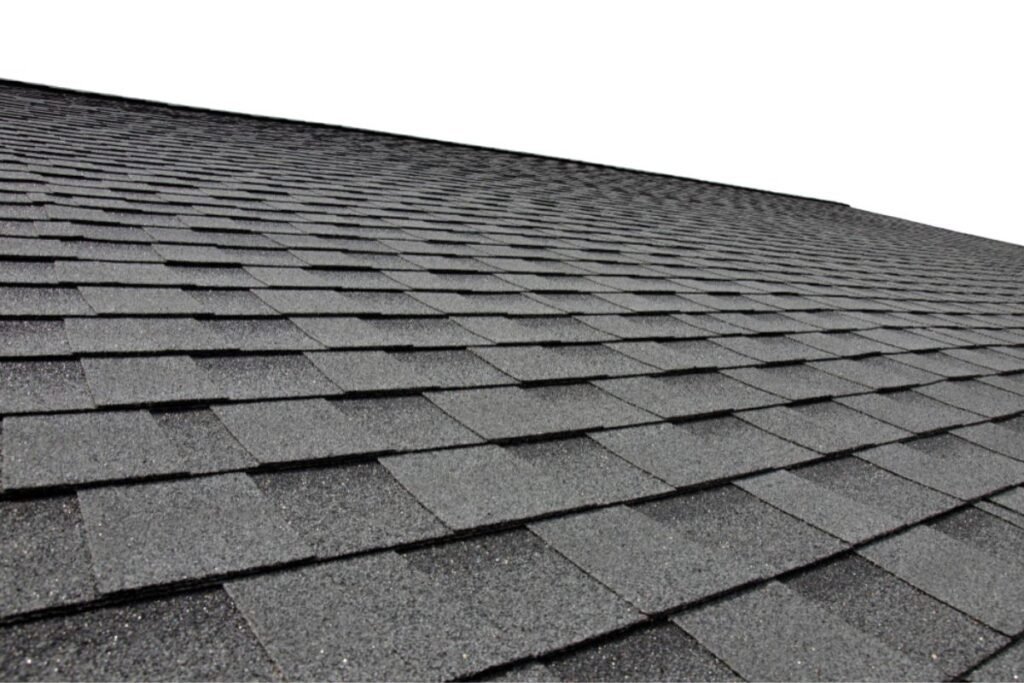
Four factors move a roofing quote more than anything else. Roof size and pitch come first — more surface area means more material and labor, and a steep roof requires safety staging and slower footing, often adding 15 to 25 percent to labor. Material grade is next: basic three-tab is cheapest, architectural shingles are the standard, and metal or designer products cost substantially more.
Tear-off layers matter because hauling and disposing of a second old layer adds labor and dumpster fees. Finally, decking condition is the wild card: rotted or soft plywood discovered during tear-off has to be replaced at roughly $75 to $95 per sheet. Wisconsin-specific items add a little more — code-required ice-and-water shield, steeper pitches common on older colonials, and stricter local permit requirements in communities like Wauwatosa and Mequon.
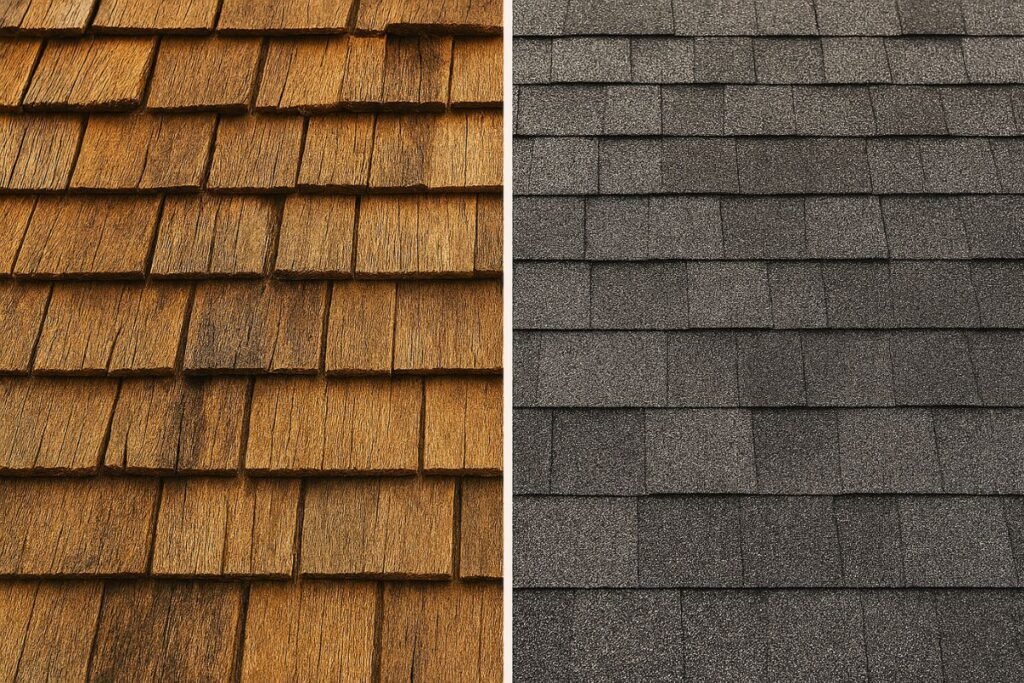
Asphalt shingles are the default for good reason: they balance cost, durability, and curb appeal, and architectural (dimensional) shingles carry 25- to 50-year warranties.
Asphalt shingles are the default for good reason: they balance cost, durability, and curb appeal, and architectural (dimensional) shingles carry 25- to 50-year warranties. For most Wisconsin homes they are the value winner.
Metal roofing — usually standing seam — costs more up front but sheds snow well, resists ice dams, and lasts 40 to 70 years, making it popular for long-term owners. Synthetic slate and composite products mimic high-end looks at a fraction of real slate’s weight and price, with strong impact ratings that hold up to hail.
The right choice depends on how long you plan to stay, your budget, and your home’s style. Each material also changes the per-square cost, so material is one of the biggest levers on your total.
A well-run replacement follows a predictable sequence.
A well-run replacement follows a predictable sequence. First, the crew tears off the old roofing down to the deck and inspects the wood for rot or damage. Next, they replace any bad decking, then lay ice-and-water shield along the eaves and valleys and synthetic underlayment across the rest of the roof.
After that, the crew installs new flashing at walls, valleys, chimneys, and pipe penetrations, and confirms the attic has balanced intake and exhaust ventilation. Then the new shingles or panels go on, installed to manufacturer specification — which is what keeps the warranty valid. The job ends with a magnetic nail sweep of the yard, full debris haul-off, and a final quality and code inspection.
For most homes the on-roof work takes one to three days once materials arrive.
You will sometimes be offered a "roof-over," where new shingles are installed on top of the existing layer.
You will sometimes be offered a "roof-over," where new shingles are installed on top of the existing layer. It is cheaper because it skips tear-off labor and disposal, and Wisconsin code permits a maximum of two layers, so a single roof-over is legal in many cases.
The trade-offs are real, though. Going over old shingles hides the condition of the decking, traps heat that can shorten shingle life, adds weight, and rarely lasts as long as a roof installed on a clean deck. It can also complicate future repairs and insurance. For most homeowners, a full tear-off is the better long-term value — you find and fix deck problems now instead of paying for them twice later.
Most Wisconsin municipalities require a permit for a full roof replacement, and a reputable contractor pulls it for you and coordinates any required inspection.
Most Wisconsin municipalities require a permit for a full roof replacement, and a reputable contractor pulls it for you and coordinates any required inspection. The governing rules trace back to the state’s adoption of the International Residential Code (IRC R905) and Wisconsin’s SPS uniform dwelling code.
The provision homeowners notice most is ice-and-water shield: code requires it to extend a set distance past the interior warm wall — not just to the eave edge — which on a wide overhang means more material. This protects against the ice dams that are common across southeast Wisconsin.
Skipping permits or code-required underlayment to save money can void manufacturer warranties, create problems at resale, and give an insurer a reason to deny a future claim.
A new roof is a significant expense, and few homeowners have that sitting in checking, which is why contractor-partnered financing exists.
A new roof is a significant expense, and few homeowners have that sitting in checking, which is why contractor-partnered financing exists. Many lenders offer 0% promotional periods of 12 to 18 months for buyers who can pay the balance before the window closes, plus standard fixed-rate plans that spread payments over 60 to 120 months.
When budgeting, get itemized estimates so you can see exactly where the money goes, and ask whether the price assumes a certain amount of decking replacement — that is the most common source of change orders. If storm or hail caused the damage, your homeowners insurance may cover most of the cost; a licensed contractor can document the damage and help you build an accurate claim before you commit to paying out of pocket.
The contractor matters as much as the material.
The contractor matters as much as the material. Start by verifying a Wisconsin DSPS dwelling-contractor credential, current liability insurance, and workers’ compensation coverage — ask for certificates, do not just take a yes. Confirm whether the crew is in-house or subcontracted, because in-house crews give you a single accountable party for quality and warranty.
Watch for red flags: storm-chasers who appear after a hailstorm, pressure to sign immediately, large upfront deposits, and quotes that are vague about tear-off, decking, and ventilation. Read recent local reviews, ask for references, and check for manufacturer certifications like CertainTeed or GAF, which require training and unlock better warranties. A trustworthy contractor walks the roof, itemizes the scope, and explains the trade-offs instead of just handing you a single number.
When you are ready, request a free estimate and compare bids line by line.
Roofing warranties come in two kinds, and the difference matters.
Roofing warranties come in two kinds, and the difference matters. The manufacturer warranty covers defects in the shingles or panels themselves and can run 25 to 50 years, but it only stays valid if the system was installed to specification — which is why proper underlayment, ventilation, and flashing are not optional.
The workmanship warranty comes from the contractor and covers installation errors, typically for a set number of years. This is where an in-house crew and a stable, established company protect you: a workmanship warranty is only as good as the company standing behind it.
Ask for both warranties in writing, understand what voids them (such as adding a second layer or skipping ventilation), and keep your documentation — it also helps at resale and with future insurance claims.
Zachary founded Generations Roofing & Remodeling in 2020 and is a CertainTeed Certified Storm Specialist. He runs the in-house crew model and personally walks every project at completion.
[INSERT_ELEMENTOR id="2969"]
This will close in 0 seconds
Ready for Your Free Estimate?
Roofing · Siding · Windows · Remodeling · Southeast Wisconsin