Commercial Roof Types: Exploring Roof Systems and Materials
Table of Contents
Add a header to begin generating the table of contents
Types of Commercial Roofing Systems
Common Types of Commercial Roofs Commercial roofing system selection is imperative; besides safeguarding your commercial properties, it also determines the maintenance costs and provides energy efficiency. The following is a rundown on the most common commercial roofing systems
Understanding Commercial Roof Configurations
An Overview of Commercial Roof Types The configuration of commercial roofs is important in making a selection of which kind of system to use. Roofs can be generally categorized into
Low Slope Roofs: : Low-Slope Roofs: Most commonly found in commercial buildings such as warehouses and retail centers, these roofs often utilize EPDM, PVC, and TPO roofing materials to achieve excellent coverage and performance.
Steep Slope Roofs: Steep-Slope Roofs: More common to the residential yards but applicable to selected commercial properties, this roofing employs metal. shingles, or tiles, providing a pleasing look. Steep-slope roofs usually consist of three parts: waterproofing, roof decking, and support or the framing structure
Types of Single Commercial Roofing Systems
The Purpose and Uses of Single Ply Single ply roofing systems have grown increasingly popular in recent decades. They are loved for their incredible flexibility and durability. Materials include TPO, PVC, and EPDM. They are lightweight and fashioned as a single layer, which is an advantage regarding installation-type on some designs or approaches, which takes the labor costs another notch lower. There are two common types of single-ply membranes:
- Thermoplastic Membranes: These membranes often include TPO and are particularly appreciated due to their weldability by heat and high degree of reflectivity, hence contributing to significant reductions in cooling costs.
- Thermoset Membranes: Include EPDM, which ranks high in resistance to ultraviolet light and weathering and is aptly used for areas with very harsh environmental conditions.
TPO (Thermoplastic Polyolefin)
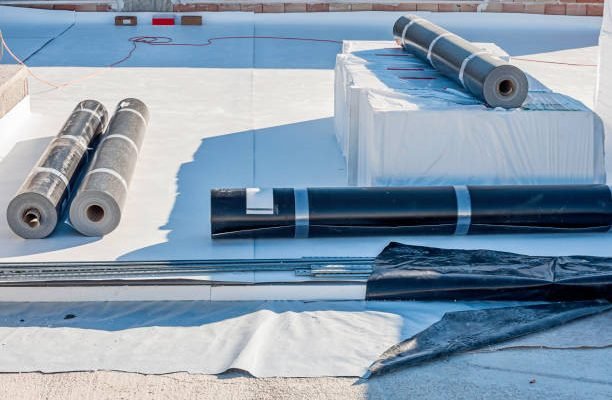
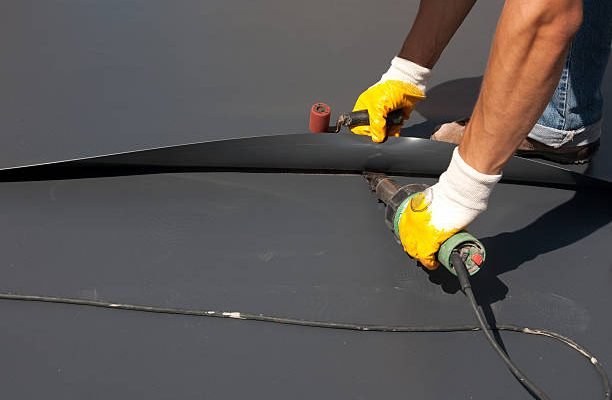
PO (Thermoplastic Polyolefin) TPO has gained a wide reputation for low-slope commercial applications in North America. TPO sheets are reinforced with heat-welded seams that provide leak resistance. TPO is a low-cost roofing membrane that offers a number of installation options: mechanically attached systems, adhered systems, and ballasted roofs
PVC (Polyvinyl Chloride)
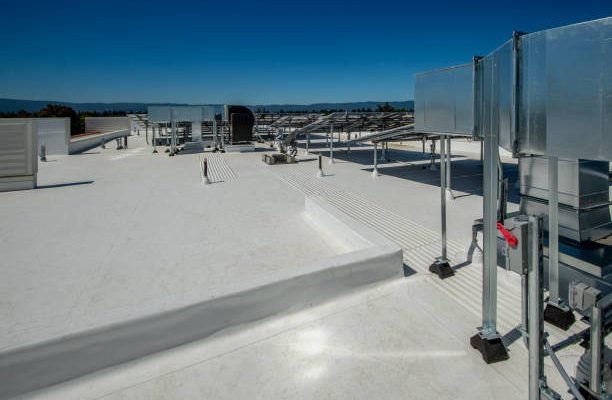
PVC (Polyvinyl Chloride) Underground PVC roofing has many valuable layers with polyester as the main reinforcement. These roofs are hot welded, which provide neatly sealed seams that protect against UV rays and mechanical damage at a cost. It has flexibility, is easy to install, and has a welding property that makes for seamless connections between sheets. Another quality of PVC is that it is long-lasting and fireproof
EPDM Roofing
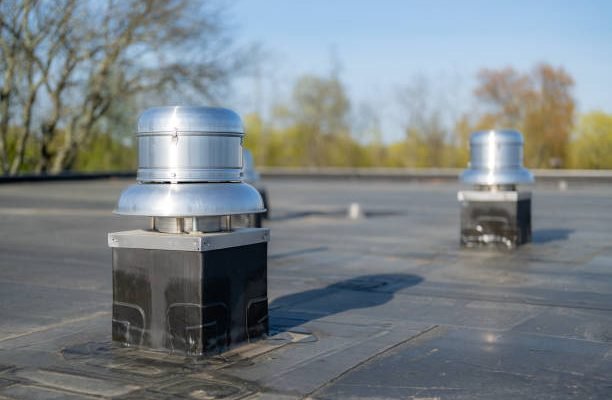
EPDM Roofing-The Ethylene Propylene Diene Monomer-is a synthetic rubber known for its very good durability and elasticity, thus making it particularly very effective against the sun and decay through ozone. The low price combined with excellent life expectancy makes it one of the most favored membranes in commercial roofs.
Built-Up Roofing Systems
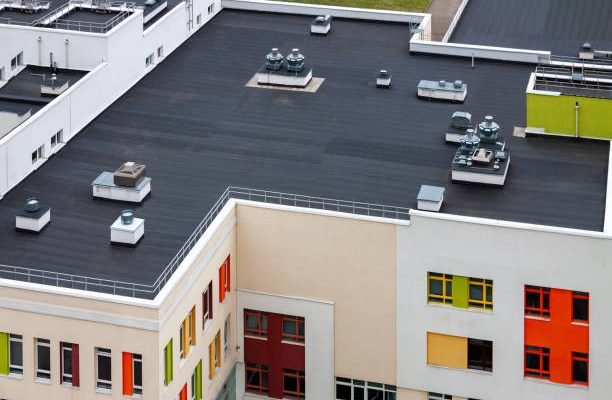
Built-Up Roofing Systems (BUR) Built-up roofing has continued to be the mainstay for its durability over many decades. It consists of multiple layers of tar applied over the felt roofing, as is manufactured for roof coverings. Multiple layer built-up systems should be preferred in climates where the temperature is greatly fluctuated.
Metal Roofs
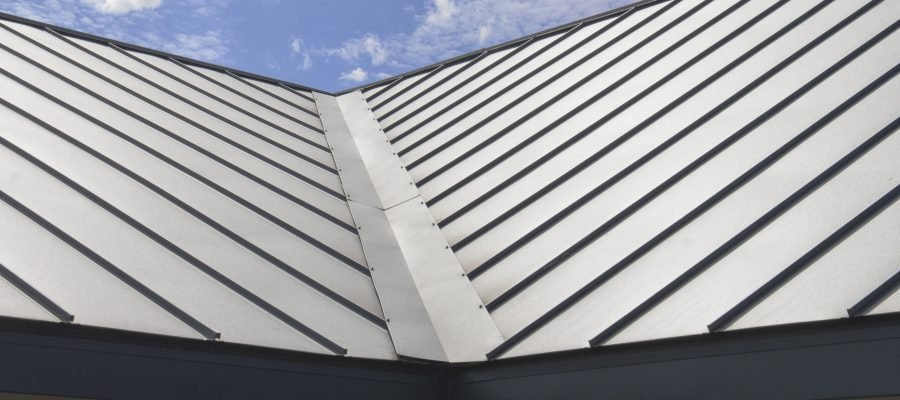
Metal roofs are admired for their attractiveness, efficiency, and durability. Installing metal roofs is possible on low-slope and steep-slope roofs alike, and they are made from materials like aluminum or copper, and steel.
Liquid Applied Roofing
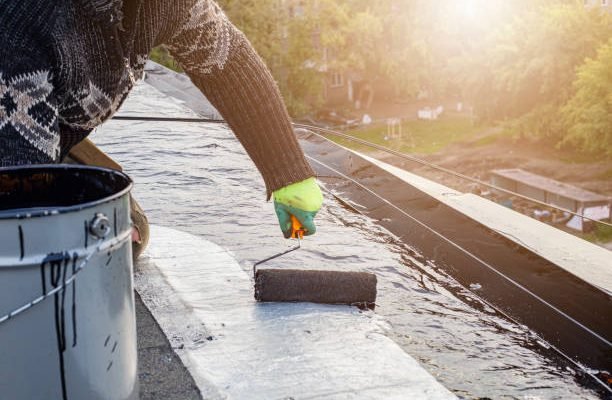
Use of liquid applied roofing is most advantageous on intricate or difficult surfaces where traditional sheets may not be feasible
Roof Coating Systems
Roof coatings systems are installed over an existing roofing system to augment the life of the roof by protecting it against the rigors of weather, UV rays, and mechanical damage. There exists a plethora of coating materials, with silicon and acrylic being the most conventional ones; silicon and acrylic coatings are especially good for metal roofs, providing energy efficiency improvements.
Green Roofs
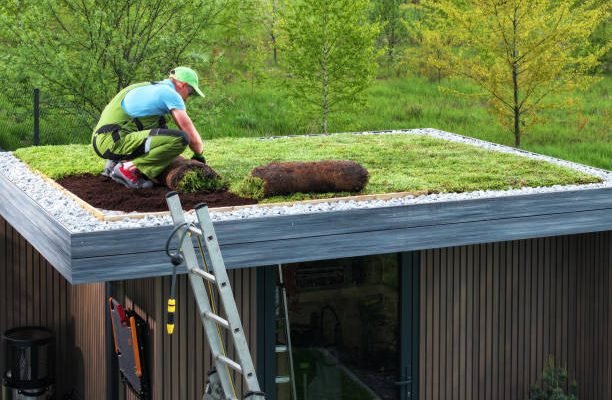
Green roofs offer not only aesthetic and environmental benefits but also better insulation and decreased effects of heat through urbanization. These systems are vegetative layers that, in one way or another, assist the management of rainwater and improvement of insulation.
Photovoltaic (PV) Solar Panels
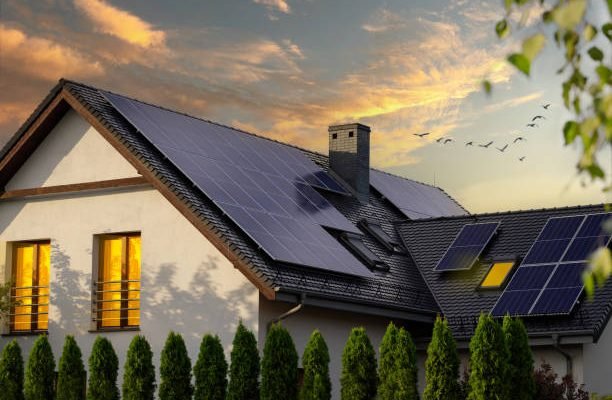
Integrating photovoltaic panels with the roofing systems effectively convert the roofing into a source of power generation, adding thus long-term saving in the cost of useful work as well as environmental benefits particularly in sunny areas.
Steep Slope Roofing
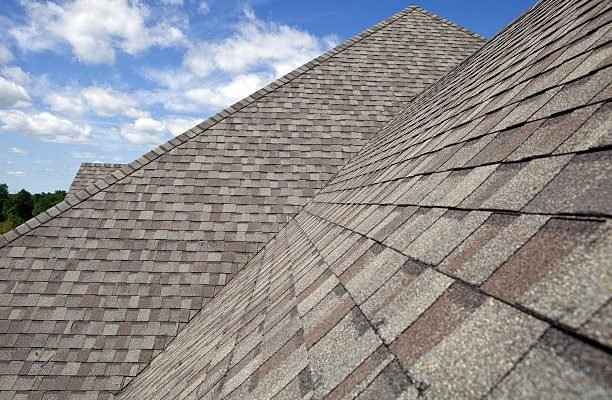
Although less common in commercial applications, such systems find usage commonly in buildings where aesthetics are paramount, such as hotels or institutional buildings. The materials for steep slope roofs cover a broad spectrum ranging from shingles and tiles to metals and slates, offering the designers a solid set of choices.
Insulation & Cover Boards
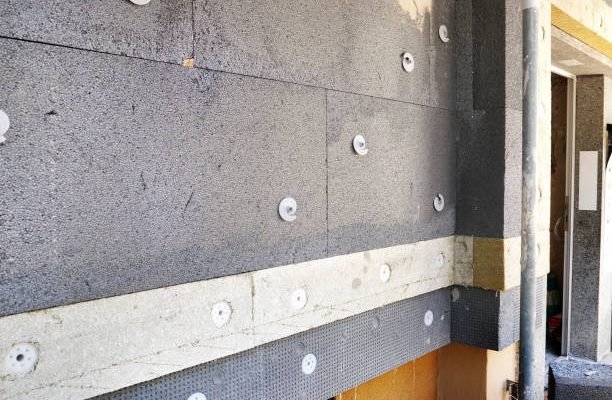
Adding insulation and cover boards to enhance thermal performance will deliver all-important energy savings to a building. Adding insulation is especially effective when roofs are replaced since these updates ensure compliance with current energy codes while dramatically reducing heating and cooling costs.