Estimate Wisconsin commercial roof replacement cost by square foot, material, and deck repair. Get TPO, EPDM, metal pricing, then request a free written quote.

✓ Free written estimate ✓ No deposit until quote approved ✓ Same-week inspection
This calculator gives you a 2026 Wisconsin installed cost range in under two minutes.
This calculator gives you a 2026 Wisconsin installed cost range in under two minutes. Here is what goes into that number.
Start with four inputs: roof area in square feet, slope category (flat or low-slope), existing system type, and target system. If you are unsure of your exact square footage, pull your building permit or multiply your footprint by 1.05 to account for parapets and mechanical curbs.
The calculator outputs a low/high installed range broken down by labor share, materials share, and a deck contingency line. That contingency defaults to 8 to 12 percent in Wisconsin. Freeze-thaw cycles and ice dam moisture routinely rot OSB and concrete decks under older TPO and EPDM systems, especially on flat roofs in Milwaukee and Waukesha County.
Wisconsin defaults built into the calculator reflect real local conditions, not national averages.
✓ Tip
The calculator is a planning tool, not a binding quote. Move straight to a scoped estimate if any of these apply.
A site visit produces a line-item scope the calculator cannot match. If any of those conditions apply, skip the calculator and request a scoped estimate or call (262) 202-2481.
In 2026, Wisconsin commercial roof replacement averages **$6.
In 2026, Wisconsin commercial roof replacement averages $6.50 to $25 per square foot installed, depending on membrane system, insulation depth, and site conditions.
A complete replacement covers tear-off and disposal of the old membrane, new insulation board, the membrane itself, all edge metal and flashing, and a watertight seal around every penetration. A bid that skips any of those items may look cheaper on paper. It will cost more after the first hard Milwaukee winter.
The table below shows 2026 installed cost ranges per square foot and per roofing square (100 sq ft). Use the per-square column when comparing contractor bids, since most commercial proposals are still written that way.
| Membrane System | Per Sq Ft (Installed) | Per Square (100 Sq Ft) | Notes |
|---|---|---|---|
| EPDM Rubber (60 mil) | $6.50 to $12.00 | $650 to $1,200 | Good freeze-thaw flexibility; common in Waukesha County |
| TPO 60-mil | $7.00 to $13.00 | $700 to $1,300 | Heat-welded seams; popular on flat commercial roofs |
| Modified Bitumen | $9.00 to $18.00 | $900 to $1,800 | Layered system; handles Wisconsin hail belt impact well |
| PVC Membrane | $10.00 to $19.00 | $1,000 to $1,900 | Chemical-resistant; good for restaurant or industrial rooftops |
| Standing Seam Metal | $12.00 to $25.00 | $1,200 to $2,500 | Longest lifespan; high upfront cost, lower 20-year total |
✓ Tip
⚠ Warning
If a bid omits insulation, your building's energy code compliance is at risk. See our full commercial roofing services page for scope details.
TPO gives the best cost-to-lifespan ratio for most Wisconsin commercial roofs.
TPO gives the best cost-to-lifespan ratio for most Wisconsin commercial roofs. EPDM costs the least upfront, modified bitumen handles foot traffic best, and standing seam metal lasts longest.
In Milwaukee's Climate Zone 6, the wrong membrane choice typically produces seam failures within 5 to 8 years instead of 20.
| System | Installed Cost / Sq Ft | Lifespan | Best Fit |
|---|---|---|---|
| EPDM (60 mil) | $6.50 to $12.00 | 20 to 30 yrs | Warehouses, low-slope additions |
| TPO (60 mil) | $7.00 to $13.00 | 20 to 30 yrs | Office, retail, multifamily |
| Modified Bitumen | $9.00 to $18.00 | 15 to 20 yrs | High foot-traffic mechanical decks |
| Standing Seam Metal | $12.00 to $25.00 | 40 to 60 yrs | Long-hold commercial, HOA buildings |
EPDM is a black rubber membrane that absorbs heat rather than reflecting it, which raises cooling costs on large Milwaukee or Oak Creek warehouses. Firestone UltraPly EPDM is a common commercial-grade option in this market. It holds up well in cold temperatures and patches easily, but shows age faster on south-facing slopes with heavy UV exposure.
White TPO carries a Solar Reflectance Index (SRI) above 78. Standard black EPDM sits near SRI 6. That gap means measurably higher heat gain through the roof deck per ASHRAE 90.1 energy modeling. If you are switching from dark EPDM to white TPO, ask your contractor for a building-specific energy model to quantify the cooling load reduction.
TPO is the membrane our in-house crew installs most often on Milwaukee and Waukesha County commercial buildings. White 60-mil TPO satisfies both the SPS 363 energy code and UL 2218 Class 4 hail requirements in a single product. GAF EverGuard TPO and CertainTeed membrane systems both carry strong wind uplift ratings. Specify 60 mil minimum. Some contractors spec 45 mil to hit a lower bid number, and that is not the same product.
Modified bitumen uses asphalt reinforced with polymers, typically in two-ply systems such as CertainTeed Flintlastic SA or TAMKO Awaplan. Granular-surfaced cap sheets can qualify for UL 2218 Class 4 hail ratings, which matters for commercial policy discounts in Wisconsin's hail belt. Modified bitumen handles rooftop HVAC foot traffic better than single-ply membranes do.
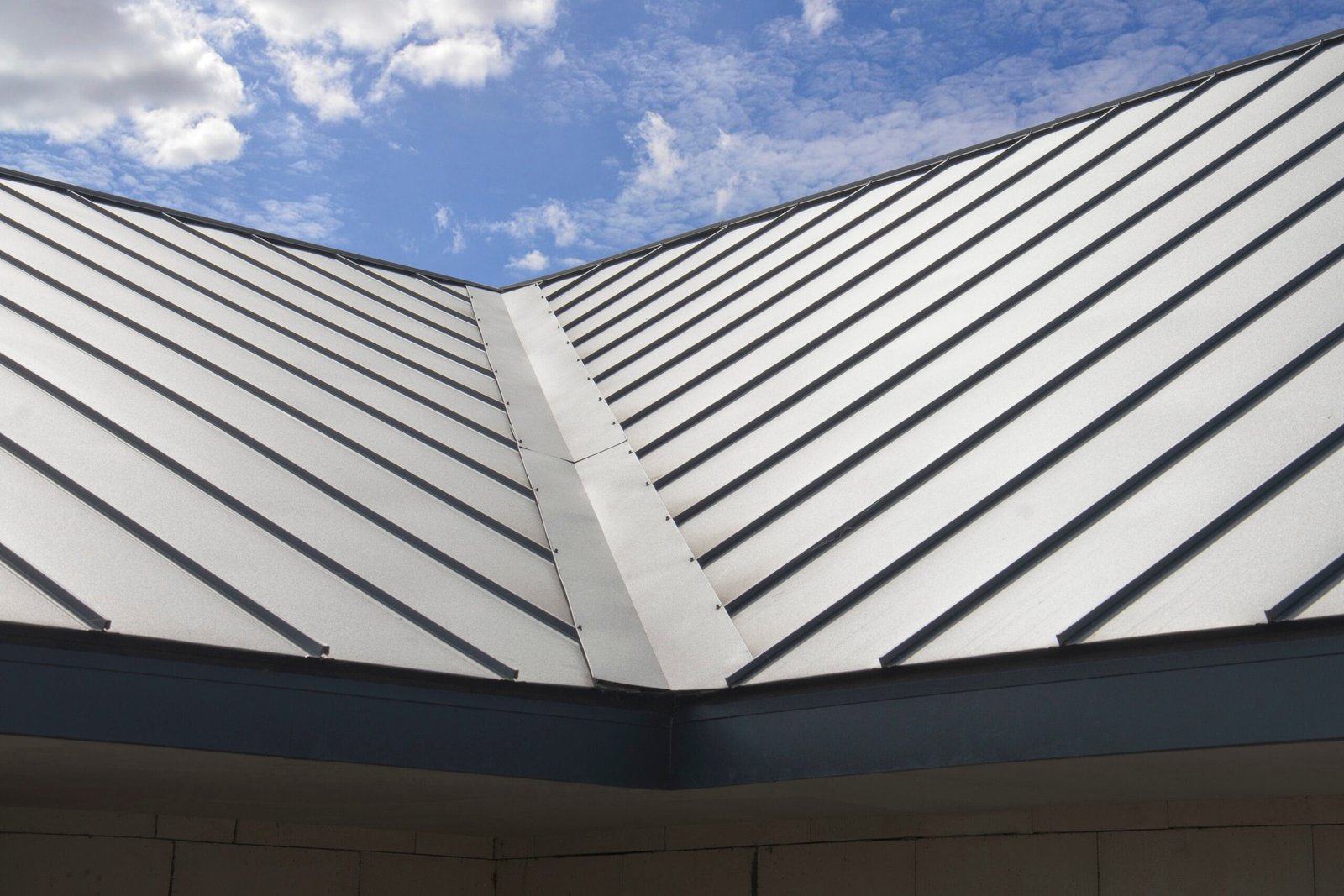
Standing seam metal costs the most upfront but spreads that cost over 40 to 60 years. For Mequon or Pewaukee commercial buildings with a long ownership horizon, the math often favors metal. Kynar-coated panels resist UV fade and qualify for Class 4 impact ratings under UL 2218, which can reduce hail-related insurance premiums.
⚠ Warning
On a typical Wisconsin commercial replacement, materials run 35 to 45 percent of total cost, labor 40 to 50 percent, and tear-off, permits, and disposal make up the rest.
On a typical Wisconsin commercial replacement, materials run 35 to 45 percent of total cost, labor 40 to 50 percent, and tear-off, permits, and disposal make up the rest.
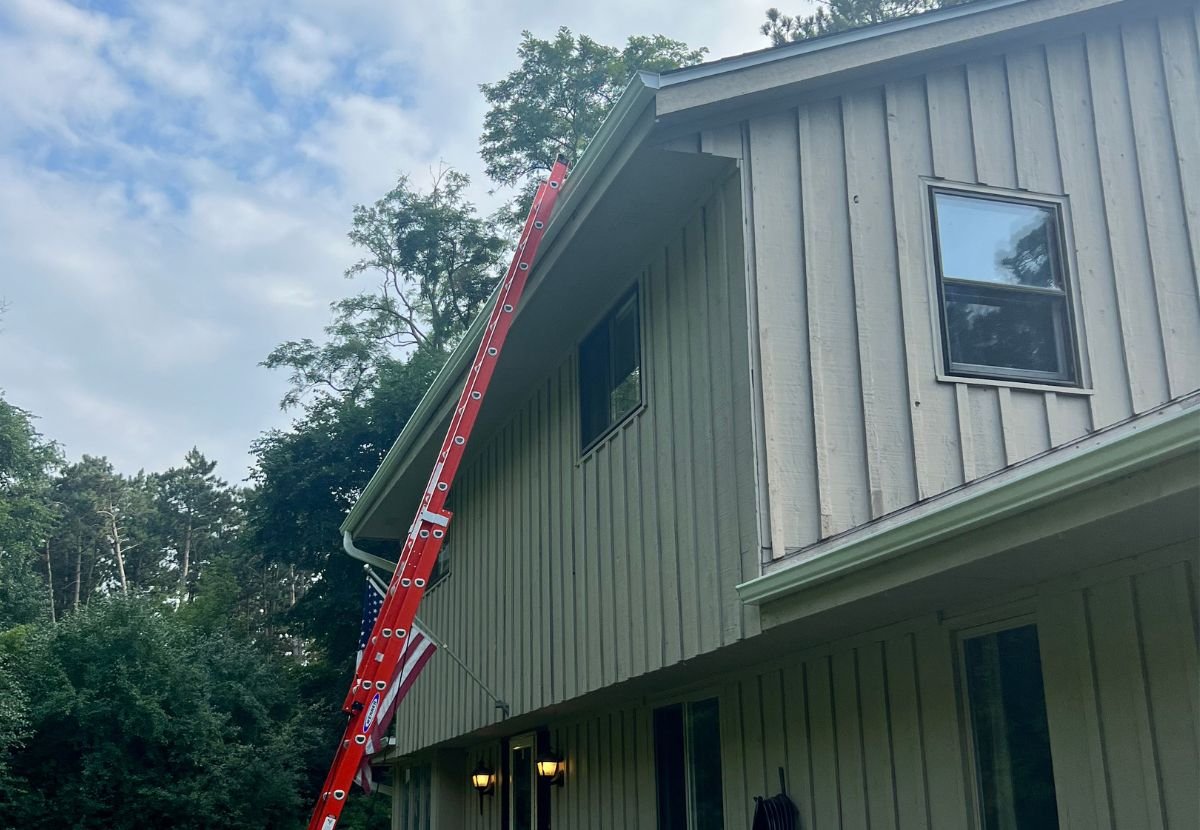
Tear-off and disposal runs $1.00 to $2.00 per sq ft on most Milwaukee and Waukesha County jobs. Multiple existing membrane layers, wet insulation, and dumpster fees push this toward the high end. Crane or lift rental for multi-story buildings adds another $0.25 to $0.50 per sq ft.
50 per sq ft. 1-2013 for Climate Zone 6, sets a minimum of R-20 ci (continuous insulation, above-deck) for low-slope commercial roofs. That is the code floor for permit applications. Total assembly R-value targets can reach R-30 depending on your design, but do not use R-30 as the permit number without confirming against the current SPS 363 adoption table.
Manufacturers such as Carlisle SynTec, Johns Manville, and Hunter Panels supply polyiso commonly specified in the Milwaukee commercial market.
Membrane and fasteners run $2.00 to $6.00 per sq ft. TPO 60-mil sits near the low end. Mechanically fastened EPDM or fully adhered TPO 80-mil runs higher. UL 2218 Class 4 rated membranes can lower your insurance premium. Ask your commercial property insurer whether your current policy includes a credit for impact-rated roofing.
Labor runs $300 to $900 per square ($3.00 to $9.00 per sq ft). Steep slopes, confined access, active tenant operations, and winter work windows all drive labor costs up. Our in-house crew handles every phase of installation. We do not subcontract the membrane work to a third party.
Flashing, edge metal, drains, and curbs run $0.50 to $1.50 per sq ft. This is one of the most under-quoted line items in the industry. Improperly flashed HVAC curbs and clogged drains are the leading cause of ice dam damage along flat-roof parapets in the Milwaukee metro.
Permits, overhead, and profit: Wisconsin SPS 361-366 (Commercial Building Code) governs structural and energy requirements for commercial roofing. SPS 362 covers structural requirements; SPS 363 covers energy. Budget $500 to $2,500 for permits depending on project size. Contractor overhead and profit typically run 15 to 25 percent of direct costs.
⚠ Warning
Deck repair adds $2 to $6 per square foot, Milwaukee re-roofing permits run $400 to $1,200, and Wisconsin energy code upgrades add $1 to $3 per square foot.
Deck repair adds $2 to $6 per square foot, Milwaukee re-roofing permits run $400 to $1,200, and Wisconsin energy code upgrades add $1 to $3 per square foot.
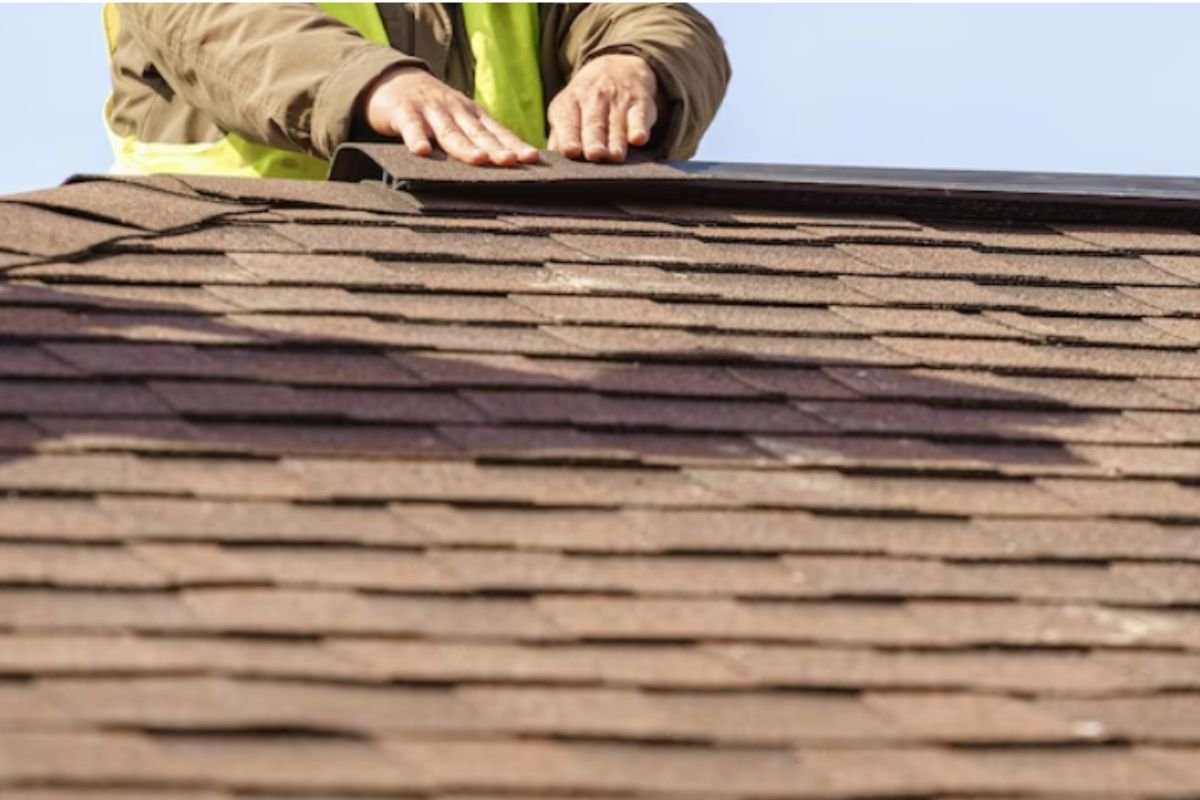
Wisconsin freeze-thaw cycles and ice dam backflow are hard on roof decking. When a tear-off crew finds soft spots, each 4×8 sheet of 5/8-inch plywood or OSB runs $60 to $100 in material plus labor. That works out to roughly $200 to $500 per 100 square feet of damaged deck. A Milwaukee warehouse that sat with a slow leak over two winters can easily need 500 to 1,000 square feet of deck replaced.
The City of Milwaukee requires a Commercial Building Permit and a separate Re-Roofing Permit for most commercial work. gov/DSI) is public and updated periodically. For projects valued between $50,000 and $100,000, the permit fee runs approximately $750 to $950. Projects valued between $100,001 and $500,000 typically fall in the $1,200 to $2,500 range. Waukesha, Brookfield, and Wauwatosa each use different fee schedules.
Confirm with your local building department before finalizing your budget, since fee schedules change.
Wisconsin SPS 361-366 governs commercial roofing. SPS 362 covers structural requirements and SPS 363 covers energy requirements. If your building is being re-roofed rather than recovered, you may trigger a code upgrade to insulation R-values under SPS 363, adding $1 to $3 per square foot for polyiso board.
Any commercial building constructed before 1990 with a built-up roof should be tested for asbestos-containing materials before tear-off begins. Testing runs $300 to $600. If asbestos is present, abatement adds $3 to $8 per square foot and requires a licensed Wisconsin contractor. Skipping this step is not permitted under state law.
Rooftop HVAC units often need new curb adapters or flashing when the roof system thickness changes. Each curb modification runs $400 to $900. Crane fees in the Milwaukee and Waukesha County market typically run $1,500 to $3,500 per mobilization. A building with four or five RTUs can add $5,000 to $10,000 to the project before the first membrane goes down.
⚠ Warning
Across building sizes and membrane types, a 10,000 sq ft Wisconsin commercial roof replacement runs $80,000 to $180,000 installed in 2026.
Across building sizes and membrane types, a 10,000 sq ft Wisconsin commercial roof replacement runs $80,000 to $180,000 installed in 2026. TPO on a clean deck lands at the low end. Metal or a full deck replacement pushes toward the high end.
Those ranges shift based on membrane choice, insulation depth, and the number of penetrations your roof carries.
A typical single-story retail strip or small office in Brookfield or New Berlin falls in this range. Budget $9 to $15 per square foot installed for 60-mil TPO on a standard 2-inch polyiso deck. Two rooftop unit curbs add $800 to $1,400 each. Most small commercial jobs in this tier finish in two to three days.
This is the most common size in Waukesha County, covering everything from medical offices to light industrial bays.
EPDM costs slightly less upfront but requires more frequent seam maintenance through Wisconsin's freeze-thaw cycles. Modified bitumen holds up well against foot traffic if your roof sees HVAC technicians regularly.
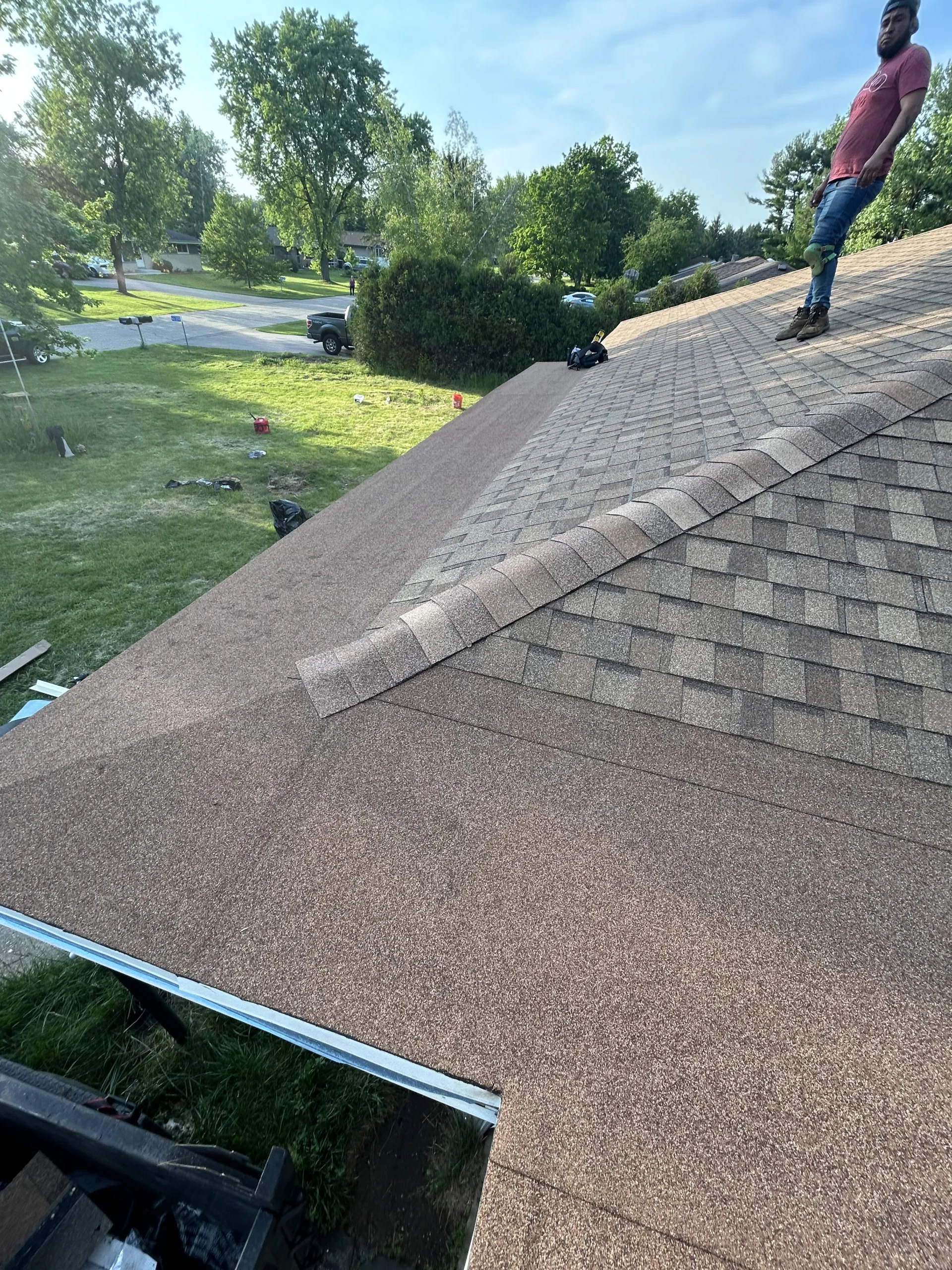
Large warehouses in Oak Creek and Kenosha almost always need tapered insulation to satisfy current drainage requirements under Wisconsin SPS 361-366. Tapered polyiso adds $0.80 to $1.50 per square foot over flat board.
| Building Size | System | 2026 Installed Cost Range |
|---|---|---|
| 5,000 sq ft | TPO 60-mil, 2 RTU curbs | $45,000 to $75,000 |
| 10,000 sq ft | TPO 60-mil | $90,000 to $130,000 |
| 10,000 sq ft | EPDM 60-mil | $85,000 to $120,000 |
| 10,000 sq ft | Mod Bit 2-ply | $95,000 to $140,000 |
| 25,000 sq ft | TPO 60-mil, flat insulation | $200,000 to $280,000 |
| 25,000 sq ft | TPO 60-mil, tapered insulation + deck replacement contingency | $300,000 to $450,000 |
This scenario covers an 18,000 sq ft HOA property with three connected flat-roof sections at different elevations. System: 60-mil TPO with tapered insulation and full parapet reflashing, with separate drain tie-ins required at each level.
At 2026 Wisconsin rates, this scenario runs $175,000 to $220,000 installed, depending on deck condition and the number of RTU curbs. A single-level version without tapered insulation comes in closer to $145,000 to $175,000. HOA boards often use a range like this to set a special assessment ceiling before bids go out.
Replacing a roof on your schedule costs roughly half what it costs when water is already coming in.
Replacing a roof on your schedule costs roughly half what it costs when water is already coming in.
A planned replacement lets you solicit three bids, choose your membrane, schedule around tenant operations, and lock in material pricing. An emergency replacement compresses all of that. You take whoever is available, pay premium labor rates, and often absorb temporary patching costs on top of the full replacement.
| Cost Driver | Planned Replacement | Emergency Replacement |
|---|---|---|
| Contractor availability | Multiple bids possible | Limited to available crews |
| Material pricing | Standard 2026 rates | Expedite surcharges apply |
| Temporary patching | Usually not needed | $1,500 to $6,000 typical |
| Deck damage exposure | Caught early, limited | Often extensive by discovery |
| Labor rate premium | Standard | 20 to 40 percent above standard |
| Total cost multiplier | Baseline | 2x to 3x baseline |
The 2x to 3x cost multiplier for emergency work is real. A 10,000 sq ft roof that would run $100,000 on a planned schedule can easily reach $180,000 to $220,000 when a failed membrane forces the issue in January. If your current roof is more than 15 years old, a commercial roof inspection now costs far less than an emergency call later.
Lake-effect snow loads, freeze-thaw cycles, and severe summer hail push Wisconsin specs toward thicker membranes, higher R-value insulation, and Class 4 impact-rated materials, adding 10 to 20 percent to base cost.
Lake-effect snow loads, freeze-thaw cycles, and severe summer hail push Wisconsin specs toward thicker membranes, higher R-value insulation, and Class 4 impact-rated materials, adding 10 to 20 percent to base cost.

ASCE 7 sets ground snow loads for Milwaukee and Waukesha County at 30 to 40 psf depending on your location and roof geometry. Your structural engineer uses those numbers to size the deck and specify drainage. A roof that cannot shed or support that load is a liability, not just a budget line. Wisconsin SPS 362 governs the structural requirements for commercial buildings.
Properties in Milwaukee, Wauwatosa, and Mequon cycle through freeze-thaw conditions from November through March. On flat commercial roofs, ice dams form when meltwater cannot drain and refreezes at the membrane edge or in low spots. The correct mitigation is tapered insulation to achieve positive drainage, properly sized interior drains with heat trace, and perimeter metal that prevents backflow under the membrane edge.
These details add cost upfront and prevent far larger repair bills later. com/commercial-roof-repair/) covers ice dam remediation in more detail.
A standard 45-mil TPO membrane performs adequately in mild climates. In Wisconsin's hail belt, spanning from Kenosha north through Racine and Oak Creek, hailstones above 1.5 inches punch through thinner membranes quickly. 60-mil TPO costs roughly $0.40 to $0.60 more per square foot installed, qualifies for UL 2218 Class 4 impact ratings, and often earns insurance credits with your commercial property insurer.
Flat roofs that hold standing water fail faster. Snowmelt off a 20,000 sq ft commercial roof in New Berlin or Brookfield can pool in low spots within hours. Tapered polyiso insulation creates a positive slope (minimum 1/4 inch per foot per IBC) that directs water to drains. Budget $1.50 to $2.25 per square foot for a tapered system versus flat board insulation.
Properties near Lake Michigan face sustained wind gusts that standard fastening patterns cannot always handle. FM 1-90 means the roof assembly is tested to withstand 90 psf uplift pressure. Specify an FM 1-90 or FM 1-120 rated assembly for any building within two miles of the lakefront in Milwaukee, Whitefish Bay, or Shorewood. Enhanced fastening patterns add $0.20 to $0.45 per square foot but protect against the membrane billowing or delaminating in high-wind events.
Hail and wind damage to commercial roofs in Wisconsin is covered under most commercial property policies, but the claim process differs from residential.
Hail and wind damage to commercial roofs in Wisconsin is covered under most commercial property policies, but the claim process differs from residential.
Zachary walks the roof and photographs every penetration, seam, and membrane surface before drafting the scope. That documentation goes directly to your carrier. We work directly with your insurance carrier on your supplement when the adjuster's initial scope misses line items. Every scope, quote, and warranty is written before deposit.
Commercial adjusters from State Farm, Travelers, Liberty Mutual, and Erie typically require a signed scope of loss, photographs keyed to a roof diagram, and a contractor estimate that matches the adjuster's line items or includes a written supplement explaining any differences. A verbal estimate does not satisfy that requirement.
Most commercial property policies in Wisconsin require functional damage, not just cosmetic marks, to trigger a full replacement. On TPO and EPDM, functional damage means membrane punctures, fractured seams, or compromised flashing. On modified bitumen, it means granule displacement that exposes the base sheet. Our crew photographs and measures hail strikes per HAAG commercial inspection standards to support your claim documentation.
When an adjuster's initial estimate omits line items such as tapered insulation, RTU curb modifications, or code-required upgrades, we draft the supplement and submit it with supporting documentation. That process typically adds two to four weeks to the claim timeline but recovers costs that would otherwise fall to the building owner.
✓ Tip
An accurate commercial roofing quote requires a site visit, a written scope, and itemized line items for every cost category.
An accurate commercial roofing quote requires a site visit, a written scope, and itemized line items for every cost category.
Phone estimates and per-square ballpark figures are planning tools, not contracts. Niko walks the roof, measures the field area and all penetrations, photographs the existing membrane and deck, and returns a written scope before any deposit changes hands. That scope covers tear-off, insulation, membrane, flashing, permits, and deck contingency as separate line items.
A complete written scope names the membrane manufacturer and product line, specifies mil thickness, lists the insulation R-value and board type, identifies every penetration to be flashed, and states the warranty term and type (labor-only vs. manufacturer system warranty). If a quote does not include all of those items, it is not a complete scope.
Our process: written scope, written quote, written warranty, all delivered before any deposit is collected. That standard protects you and holds us accountable to a defined scope of work.
Request a scoped estimate or call (262) 202-2481. We serve Milwaukee, Waukesha, Brookfield, Oak Creek, New Berlin, Mequon, Racine, Kenosha, and surrounding Wisconsin communities.
The questions Wisconsin homeowners ask us most — answered with real numbers, codes, and 2026 pricing.
Online calculators are accurate within plus or minus 20-30 percent for planning. They use national averages and assume a clean tear-off, so they miss deck repair, code upgrades, and access fees specific to your building. Use the calculator to set a board-approved budget range, then request a written, on-site quote that includes core samples and infrared moisture scans before signing. A licensed Wisconsin contractor should deliver that binding quote within 5 to 10 business days.
Expect $80,000 to $180,000 installed in 2026 for a 10,000 sq ft Wisconsin commercial roof, depending on material. TPO 60-mil typically lands at $90,000 to $130,000; standing seam metal can exceed $200,000. Add roughly $20,000 to $60,000 if 20 percent of the deck needs replacement, plus $600 to $1,200 in Milwaukee permit fees. Get at least two written quotes and confirm each includes tear-off, insulation to current energy code, and a manufacturer NDL warranty.
The 25 percent rule says if more than 25 percent of a roof is damaged, full replacement is more cost-effective than repair. Below that threshold, spot repairs and recoating usually make better economic sense. In Wisconsin, age matters too: a 22-year-old EPDM roof with 15 percent damage is often still a replacement candidate because the surrounding membrane is at end-of-life. A core sample and moisture scan will confirm whether you are above or below the threshold.
Wisconsin commercial roofing labor runs $300 to $900 per roofing square (100 sq ft), or about $3 to $9 per square foot, in 2026. Steeper slopes, complex flashings, and rooftop equipment push labor toward the high end. EPDM ballasted systems have the lowest labor cost; fully adhered PVC and welded metal have the highest. Always ask contractors to break out labor from materials on the quote so you can compare bids accurately.
Yes. Milwaukee requires a Re-Roofing Permit for any commercial re-roof, and a Commercial Building Permit if you alter the structure, deck, or insulation assembly. Permit fees typically run $400 to $1,200 depending on project value. Your contractor pulls the permit under their Wisconsin DSPS Dwelling Contractor or commercial roofing license. Waukesha, Brookfield, and Wauwatosa have similar requirements with slightly different fee schedules. Never accept a bid that excludes permit costs.
Late winter and early spring (February through April) typically deliver the lowest commercial roofing prices in Wisconsin. Crews have open schedules after the winter slowdown and before storm season ramps up. You can often save 5 to 12 percent versus peak summer pricing. The trade-off is weather risk for adhesive-based systems like fully adhered TPO, which need temperatures above 40°F. Mechanically attached systems install year-round in Milwaukee with proper cold-weather protocols.
Most Wisconsin commercial roof replacements take 1 to 4 weeks. A 5,000 sq ft project finishes in 5 to 8 working days; a 25,000 sq ft warehouse can stretch to 4 weeks depending on deck condition and weather. Timeline drives labor cost, which is the single largest line item. Ask your contractor for a written schedule with daily phasing so tenants and operations can plan around tear-off zones. Phased replacement keeps buildings watertight overnight.
Zachary founded Generations Roofing & Remodeling in 2020 and is a CertainTeed Certified Storm Specialist. He runs the in-house crew model and personally walks every project at completion.
[INSERT_ELEMENTOR id="2969"]
This will close in 0 seconds
Ready for Your Free Estimate?
Roofing · Siding · Windows · Remodeling · Southeast Wisconsin